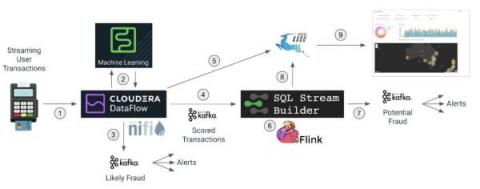
Finance has been at the forefront of enterprise analytics for decades. Over the years, these analytics have evolved from reactive, descriptive analytics related to financial performance, treasury holdings, and inventory management to predictive and prescriptive analytics for risk, credit, and financial business modeling.
The move to digital technologies has been taking place at a meteoric pace. Many businesses are forced into a position, where they must either deploy new solutions they may not be ready for or risk falling behind the competition. In their efforts to rapidly improve customer experience, enhance internal processes, capitalize on market opportunities, or optimize other operational processes, they often end up taking a more makeshift approach to digital transformation.
As an app developer, your task includes using programming languages to create, test and develop applications on mobile devices. Your tasks also involves coding, designing and troubleshooting. Did you know your arduous job can be simplified using cross-platform development like the React Native framework?
This is a story about how I switched from Android development to Flutter. About 10 years ago, I created my first Android application. I worked for a company that focused on mobile development — iOS and Android. For me, Android development was the obvious choice. I liked Java more than Objective-C, and in general, Android was more affordable. However, mobile development has changed a lot over the years. There are so many new languages, technologies, and architectures.