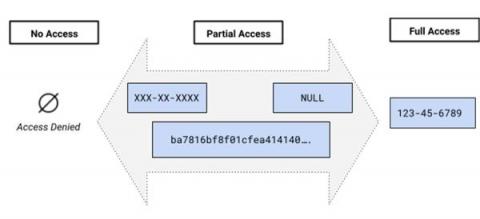
Protecting sensitive data and preventing unintended data exposure is critical for businesses. However, many organizations lack the tools to stay on top of where sensitive data resides across their enterprise. It’s particularly concerning when sensitive data shows up in unexpected places – for example, in logs that services generate, when customers inadvertently send it in a customer support chat, or when managing unstructured analytical workloads.
Anybody interested in providing products and services to consumers dreams of building a start-up. For any entrepreneur who aspires to create a market-leading product, this is the first step. In the post-covid pandemic era, you may easily start a digital business by simply creating a website. However, exposing all of your services and products on an internet platform has become a requirement. You will not be able to survive in the market if you do not do so.
The OWASP API Security Top 10 identifies the top API vulnerabilities that pose the greatest risk to mobile, web and SaaS applications as well as internal, partner and external API programs, highlighting which vulnerabilities must be detected and mitigated promptly. Gartner predicts that APIs that expose private information such as Personally Identifiable Information (PII) will be the most common attack vector in 2022.
In our previous blog posts, we’ve covered the core components, orchestration capabilities and automated analysis and ChatOps features in our in-house Security Orchestration, Automation & Response (SOAR) application. In this final blog post, we will briefly cover one of the system’s automated response capabilities that allow it to take action and respond to alerts without human intervention, and close out the blog series with two important lessons learned from implementing SOAR at Appian.