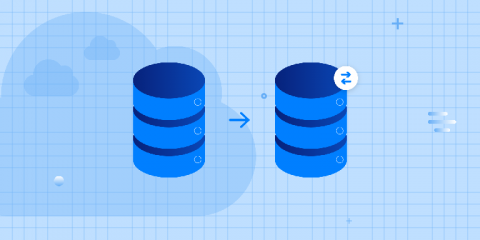
How Fivetran Solved Database Replication
As one of our senior engineers explains, it took years of hard work and incremental progress.


As one of our senior engineers explains, it took years of hard work and incremental progress.
With Fivetran, Snowflake and dbt, Autodesk Construction Services builds a uniform data architecture for its many acquisitions.
Let's explore why data automation is the bridge between enterprise analysts and IT/Engineering departments.
Use our dbt package for HubSpot to build your sales and marketing dashboards.
With Fivetran, Intercom centralizes its Zuora data into Redshift and joins it with product, marketing, sales and additional financial data for reports and dashboards.
How can you avoid wasting engineering cycles around data pipeline creation and maintenance? Answer: Powered By Fivetran
No-code is growing quickly. More and more people from all roles and departments are using a wide range of new tools and apps to build and experiment without fighting for engineering resources. This creates amazing opportunities for growth, but it also means data teams have to integrate data from ever-more sources to get a full picture of their business’s operations.
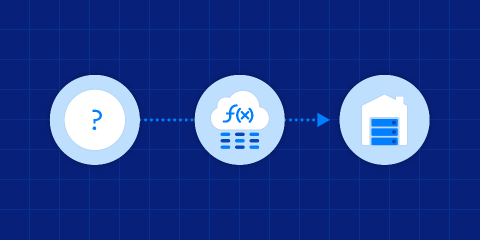
Fivetran is the industry leader of fully managed data integration from lots of different sources to your data warehouse. There are hundreds of popular sources, like Salesforce, Zendesk, NetSuite, and more, for which Fivetran has fully managed, prebuilt connectors that can deliver your data to your warehouse within literal minutes. However, people often struggle to get data from more obscure sources since most data integration tools focus on what is popular.