Systems | Development | Analytics | API | Testing

What is data integration (with 5 use cases)

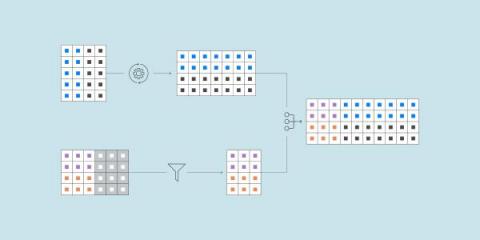
Data integration is the data engineering process of combining data from disparate sources into a single unified view of the data. The process begins with data ingestion from different source systems. This includes data extraction from disparate sources, data transformations or cleaning, and loading the data into a single repository - anything from Excel data sets to Enterprise data stores.

Digital Marketing Automation 2022 | Context, Examples, Challenges

The explosion of marketing technology (martech) has been one of the main drivers of marketing’s evolution over the last decade. Just compare: The Chief Marketing Technologist blog has been tracking the industry’s growth for ten years and when it first released its yearly marketing technology landscape overview in 2008, the chart contained roughly 150 tools.

Executing Data Integration on Amazon Redshift

Amazon Redshift says it executes data operations ten times faster than other enterprise data warehouses because of a hardware-accelerated cache called Advanced Query Accelerator (AQUAD). It also claims three times better price-performance than other similar technologies. Statements like these are what make Redshift an attractive option for companies that want to push data into a warehouse for analytics.

Data Mapping Best Practices | A Guide to Types, Approaches, Tools

In any application integration, data migration and in general, any data management initiative, data mapping is one of the most critical steps. One could even argue that the integrations project success depends largely on correct mapping of source to target data. So, let’s review what the data mapping best practices are: the types, the common approaches as well as the useful data mapping tools.