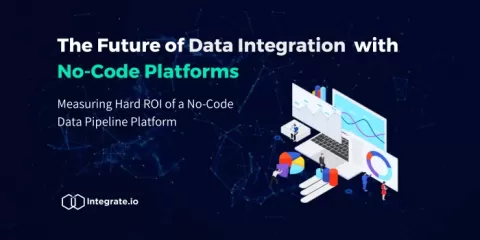
The data we generate, store, and share is growing exponentially as the world inexorably digitizes. With the global data sphere expected to double in size by 2026 as organizations and consumers increasingly go online, automate, and digitize processes, the right tools are required to mine this massive trove of valuable data coming from a widening and diverse pool of sources globally. The competitive edge gained by rapidly converting complex data into business insights is a crucial growth driver.
Every so often, different advocates across organizations ignore the Voice of the Customer. This may be due to changes in business priorities, redistribution of resources, focus on new trends, or that they clear a profit regardless. This brings the value of the customer's voice into question: should we still allocate time and effort towards listening to customers when following new trends is the norm? The short answer is a resounding yes.
When I was working at Google back in the mid 2000’s, we dealt with tens of billions of ad impressions a day, trained several machine learning models on years worth of historic data, and used frequently-updated models in ranking ads. The whole system was an amazing feat of engineering and there was no system out there that was even close to handling this much data. It took us years and hundreds of engineers to make this happen, today, the same scale can be achieved in any enterprise.