Systems | Development | Analytics | API | Testing

Introducing ThoughtSpot Sage: AI-Powered Analytics with GPT

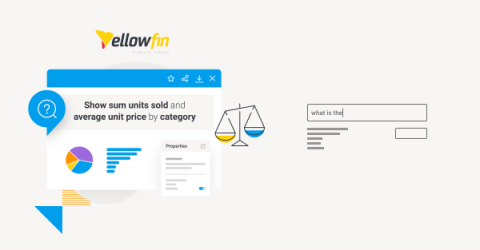
Today we’re excited to announce ThoughtSpot Sage, our new search experience that combines the power of GPT’s natural language processing and generative AI capabilities with the accuracy and security of our patented self-service analytics platform. With this new integration, data teams will be able to exponentially increase their impact across an organization as business users self-serve personalized, actionable, and trustworthy insights like never before.

What Is Data Democratization? Explanation, Benefits, and Best Practices

When was the last time you had all the data you needed to make a business decision? Hopefully, it was today. But if it wasn’t, you’re not alone. It’s increasingly difficult for people inside enterprise organizations to harness the power of their data. Even though good decisions are nearly impossible without good data, getting data into the right hands at the right time is easier said than done.

Understanding the Context of Data

Today, the internet is full of articles covering Web 3.0, aka the Semantic Web, almost as if it were new innovation. Jack Berkowitz, CDO of ADP, has decades of data experience, and feels there are two things that must be true in this field. First, data has to be leveraged to benefit the business. Second, the data has to have integrity. Without either of these elements to drive purpose and context, companies are just looking at fancy graphs and spreadsheets.

Introducing Integrate.io's HubSpot Reverse ETL

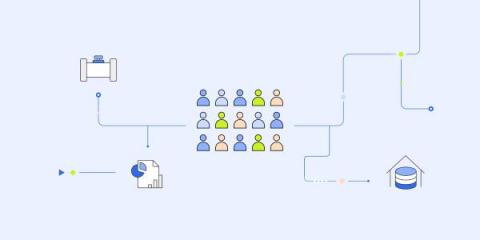
Could loading specific customer data that exists within your data ecosystem into Hubspot improve your ability to serve those customers? Would having account data at the fingertips of your team in Hubspot support them as they support those accounts? We thought so! The HubSpot Reverse ETL Connector is now available to Integrate.io customers.

DataFinOps: Holding individuals accountable for their own cloud data costs

Most organizations spend at least 37% (sometimes over 50%) more than they need to on their cloud data workloads. A lot of costs are incurred down at the individual job level, and this is usually where there’s the biggest chunk of overspending. Two of the biggest culprits are oversized resources and inefficient code. But for an organization running 10,000s or 100,000s of jobs, finding and fixing bad code or right-sizing resources is shoveling sand against the tide.