Combining MCP Servers and LLMs with MS SQL Server simplifies database management with natural language queries, automation, and robust security. Here’s what you need to know.
Key Takeaways As companies continue to scale analytics beyond operational systems, transferring data from generic databases (like MongoDB) to cloud warehouses (like Snowflake) becomes critical.
Database performance is often the primary bottleneck in API-driven applications. Whether you're serving a mobile app, powering a microservices architecture, or exposing enterprise data through REST APIs, slow queries translate directly to poor user experience, increased infrastructure costs, and system scalability challenges. This guide explores proven query optimization strategies that development teams can implement to dramatically improve API performance.
If you're spinning up a whole container just for one test, you’re doing it wrong. Old way: Full DB container + pg_restore New way: speedscale + proxymock It records actual DB traffic and mocks it "on the wire." Test smarter, not harder.
Modern teams need to move sensitive data from on-prem SQL Server into Salesforce safely and predictably. This guide explains how to design, implement, and operate a secure ETL that balances performance with controls. It is written for data engineers, platform owners, and security leads who support regulated workflows. You will learn core components, common pitfalls, architecture patterns, and a phased implementation plan with code examples.
Enterprises have invested decades of development effort into SQL Server stored procedures. These procedures contain critical business logic—validation rules, complex calculations, transaction handling, reporting queries—that applications need to access. But stored procedures weren't designed for modern API-driven architectures.
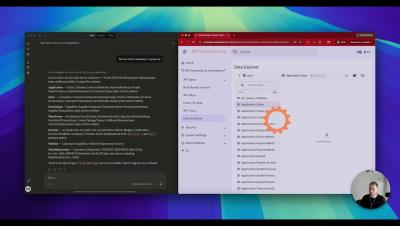
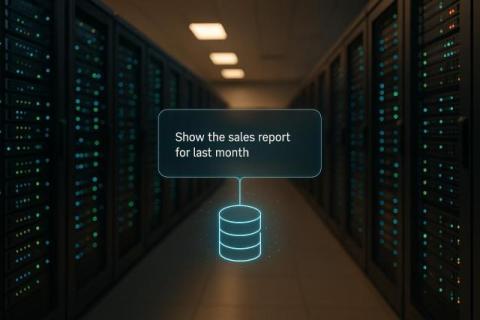
What if you could ask ChatGPT questions about your own company data and get instant answers? No SQL. No waiting for IT. No learning PowerBI. Just type a question like "What were our top 10 customers last quarter?" and get the answer in seconds. This isn't science fiction—it's something you can set up today. And here's the surprising part: this capability is actually more valuable for non-developers than developers.
What if you could ask ChatGPT "which customers haven't ordered in 90 days?" and get an instant answer from your actual database? I set this up live in under 5 minutes. No code. No SQL. Just questions and answers.
Looking for a managed PostgreSQL database with a free tier? We've got you covered. In this article, we'll explore the top PostgreSQL databases with free tiers to use for your applications in 2026. These free-tier options are perfect for side projects, MVPs, and learning how to use cloud databases. All these database solutions integrate with Koyeb, enabling you to seamlessly connect databases hosted by third-party providers to your applications running on the Koyeb platform.
Every developer who's worked with PostgreSQL knows the pain: testing against a real database slows everything down. You need the database running locally, loaded with the right data, and configured to match production as closely as possible. Every time you run a new test or build, you're forced to repeat that setup migrate schemas, seed test data, and clean everything up again. It's time-consuming, brittle, and hard to scale across a team.