

Systems | Development | Analytics | API | Testing

Leading multi-brand multi-national hotel chain

As travelers increasingly expect personalized experiences, brands in the travel and hospitality industry must find innovative ways to leverage data in their marketing and product experiences. That said, managing vast, complex data sets across multiple brands, loyalty programs and guest touchpoints presents unique challenges for companies in this industry. Enter the Composable CDP on the Snowflake AI Data Cloud for Travel and Hospitality.


Rightsizing Your Data Infrastructure: Optimizing Snowflake Cluster and Workspace Configurations

Join us for another enlightening session in our Weekly Walkthrough series, "FinOps Metrics That Matter," where we focus on the critical aspect of rightsizing your Snowflake infrastructure for optimal performance and cost-efficiency. Achieving the right balance between performance and cost is paramount. However, a striking 80% of data management experts grapple with precise cost forecasting and management (Forrester). The primary culprits? Insufficient granular visibility, data silos, and a lack of AI-driven predictive tools.

Build and Deploy Kubernetes Applications with Skaffold

Skaffold is a command line tool that facilitates continuous development by streamlining the workflow for building, pushing, and deploying Kubernetes applications. Skaffold handles the complexities of Kubernetes deployments, allowing developers to focus on local application iteration while managing deployments efficiently. Get started with our tutorial.

How to build a serverless web application

Serverless technology allows you to build and deploy efficient, scalable, and modern web applications. By going serverless, you can eliminate the need for server management and save time and money. In this tutorial, you'll learn how to utilize the power of serverless by building a full-stack web application using different technologies. If you are ready to take your web development skills to the next level and build a serverless web application, let's get started!

Understanding setImmediate() vs process.nextTick() in Node.js

Node.js is a powerful runtime environment that allows you to handle asynchronous I/O operations efficiently using its event-driven architecture. Asynchronous operations in Node.js rely heavily on the event loop, and understanding how certain functions like process.nextTick() and setImmediate() interact with the event loop is essential for building fast, responsive applications.

EP 1: Exploring the Dark Ages of Data with R "Ray" Wang

Companies have access to more data than ever before – according to IDC, worldwide data will grow 61% by 2025. However, when it comes to adopting AI, there is a difference between companies who merely have internal data and those who have precise, accurate data. The first step to delivering trusted AI is having the right type of data. R "Ray" Wang, principal analyst and founder of Constellation Research, joins The AI Forecast to discuss the value of precision data as we enter what he calls “the dark ages of data”.

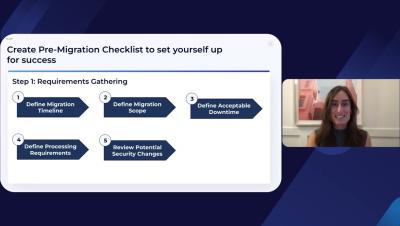
How to migrate from Kafka to Confluent Cloud with limited downtime

In this short video, a Confluent Solutions Engineering will run through the high-level steps on how to get started with your migration. And even better, once you’re done watching, you can download our comprehensive migration kit for a step by step guide of everything I’ve talked about and more.

Avoiding False Positives in Node.js Tests

When running tests, it's a great feeling to see dozens of green check marks indicating that a test suite is passing. It's especially gratifying after tackling a tricky bug or slogging through a tough feature. But those passing tests may be giving you a false sense of security. Often, bugs lurk in passing tests, undermining trust in the test suite and your application. Such tests can cause more harm than good, giving you a hearty pat on the back while hiding broken functionality.

Ably's four pillars: no scale ceiling

This is one of a series of posts that explain Ably’s four pillars of dependability. The four pillars project at Ably is about making concrete, objectively verifiable, statements about the technical characteristics of the service. We aim to ensure that our claims about service performance are expressed clearly in terms of explicit metrics, and we explain in technical terms how those performance levels are met.