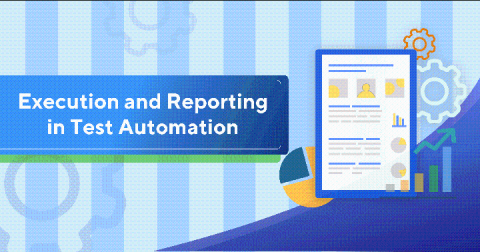
The world is entering a new age of technology: codeless applications, which are accessible to users at all levels. Popular codeless tools like Wix or Squarespace are making significant changes to the way non-dev users get involved in the product development cycle. By going codeless, teams can now fill in the gap between the accelerating demands of product delivery and the skill sets of the team members. Software testing is not an exception to the movement towards codeless practices.
When we decided to start working remotely back in 2013, we never thought about the health benefits. We chose to carve a remote path because it would make us more efficient, more fluid and more dynamic, not because it might stop us getting sick. But now, thousands of companies around the world are going remote for precisely that reason.
Automation and robotics in retail is rapidly changing the retail landscape – so much so that there are clearly winners and losers. I’m not talking about the war between brick and mortar stores and digital marketplaces, but rather I’m talking about the retail digital revolution where the winners are delivering greater than 4.5% comparable store/ channel sales growth compared to their brothers that have not embraced automation and robotics.
Last month we released our new dashboards feature. Now’s a good time to drive your story with a dashboard of your own. Easily create with drag-and-drop - Clearly illustrate key metrics - Securely share between teams and partners
More and more companies are shifting from a traditional enterprise sales mindset to a developer-first mindset for driving product adoption. Sales calls and demos will not work as developers do not want to be sold to. Instead, the platform needs to be adopted similar to how consumers may adopt a mobile game or e-commerce app. Yet, developers are also less receptive to facebook ads that may have worked for those games and e-commerce apps.
For this blog post, I’m going to take a step back and not go into data visualization best practices. Rather, I’m going to explore what you can do with your data before arriving at a final visualization – what I like to call “re-expressing” your data. Accordingly, we are going to look at the topic of transforming your data.
Let’s admit it – web services (SOAP) are here to stay for a few more years, and maybe for a long time in some places where there is no business incentive to rebuild them. However, with a decline in new SOAP web services and most applications moving to cloud native architectures, a common query is “how can we support legacy services while moving to microservices?”