SpotterCode in the Visual Embed Playground: Faster Embedding, No Setup Hassle

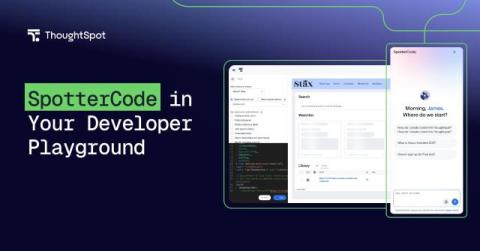
Embedding ThoughtSpot into your application just got dramatically faster. SpotterCode is now in the Visual Embed Playground. Ask in plain language (rename an agent, apply a custom theme, configure an embed component), and SpotterCode generates exactly the code you need, right inside the ThoughtSpot app. In this video, see how SpotterCode eliminates the setup friction that slows down every embedded analytics build and what it looks like to go from question to working code in seconds.

Put Your Data to Work with ThoughtSpot in ChatGPT Work

Every organization says it wants self-service analytics, but very few have it. What actually stalls true self-service analytics is the invisible work that has to happen before anyone can ask a data question: the semantic layer, query engine, security model, and analytics app. That work lands on your product and data teams, who are already time-strapped to deliver core features and strategy, and it lands on them again every time a new question, a new tenant, or a new dashboard request arrives.

The 8 Best Analytics Tools for SaaS Companies in 2026

The best analytics tools for SaaS companies in 2026 are Databox for cross-source reporting and AI analysis across revenue, marketing, and product data; Amplitude, Mixpanel, PostHog, and Heap for product analytics; Power BI for Microsoft-stack teams with a data function; and ChartMogul and Baremetrics for subscription revenue metrics. Eight tools, three jobs. Which job is yours decides the shortlist, and the tradeoffs below decide the pick.

Why Your AI Strategy Needs Both Shared and Shared-Nothing Storage

As enterprises scale AI initiatives from the core data center to the edge, many organizations are thwarted by weak data practices and fragmented systems. The attempt to use a one-size-fits-all architectural approach for workloads that have fundamentally different needs is no longer a solution. If your AI ambitions are outgrowing your storage: the solution isn’t just adding more capacity, but matching the right architecture to the right stage of the AI lifecycle.

Qlik Script Editor Gets a Major Upgrade

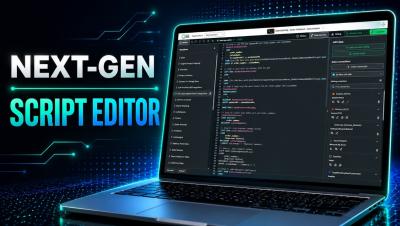
Qlik Cloud just introduced a modern, IDE-grade editing experience for the Data Load Editor and Script Editor — now available in Public Preview. In this video, Michael Tarallo walks through what's new, including dark mode, improved syntax highlighting, code folding, smarter navigation, autocomplete, and code refactoring with Rename Symbol. Learn how to activate the Next-Gen Script Editor in your tenant and see how these updates make everyday Qlik scripting faster and more intuitive.

Introducing SpotterCode in Developer Playground

Imagine handing a new developer an SDK, a stack of docs, and a deadline. They read for twenty minutes, write ten lines, break something, go back to the docs, second-guess a prop name, and try again. Now multiply that by every component they'll embed, every agent, every color scheme, and every project they'll touch. That gap, between "I know what I want this to look like" and "I know the exact syntax to make it happen," is the tax every developer pays on embedded analytics.

How We Rebuilt Countly for Real-Time Analytics at 100+ Billion Data Points

Countly’s original architecture was built around a simple idea: process an event, update the relevant metrics, and make the result available immediately. MongoDB handled the detailed events, analytical aggregates, and operational data behind the platform. That model worked well for years. Then our customers began operating at a different scale. They were collecting billions of events, retaining longer histories, and adding more custom properties.