Systems | Development | Analytics | API | Testing

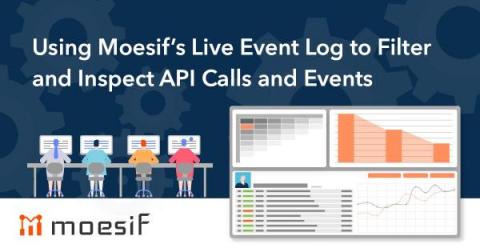
Using Moesif's Live Event Log to Filter and Inspect API Calls and Events

As you may know, event logs are a common feature in operating systems and other software that keep track of system and application errors. When you have API traffic to follow or front-end actions you want to watch, using Moesif’s Live Event Log is a simple way to filter and find the data you need.
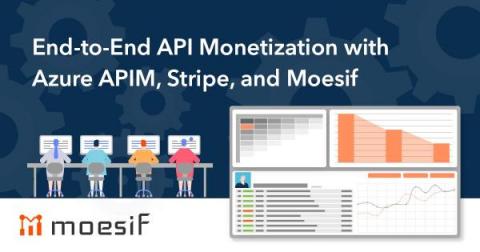

End-to-End API Monetization with Azure APIM, Stripe, and Moesif

Many API developers and companies struggle to find ways to set up systems to monetize their APIs easily. Some are simple but not customizable and some are complex and require massive engineering effort to actually get it all running. To make things easier, Moesif created the Billing Meters feature which gives massive customizability but with a minimal amount of code and engineering effort to monetize APIs.

API Contract Testing For A Design-First World

Today, API-driven microservices applications are a source of speed to innovation and competitive advantage – according to SmartBear’s most recent State of Software Quality – API report: However, this modern way of architecting software doesn’t come without challenges. Neglecting to adapt a new approach to service architecture design with a new approach to the underpinnings – API design and testing – can undermine the efforts.

Brad x Ahmed: Elements for Building Cloud Native Applications

From time to time, Kong’s Brad Drysdale and Ahmed Koshok exchange emails about the latest trends in tech. In this exchange, Brad and Ahmed discuss the continued quest for more innovation faster, the role of automation in API strategy, and more. from: Brad to: Ahmed date: Oct. 29, 2022, 6:58 PM subject: Elements for Building Cloud Native Applications Greetings from Australia, Ahmed!

What's Happening To Middleware In The Cloud-Native Era?

Spending two decades in the middleware field has given me deep insight into the evolution of this technology domain. I began my career as a software engineer in a platform group, building reusable components using technologies like object linking and embedding (OLE), the distributed component object model (DCOM) and common object request broker architecture (CORBA).

Managing Kuma Tokens with HashiCorp Vault

Managing tokens in Kuma can be a challenging and manual process. Both the user and dataplane token lifetimes need to be manually tracked and managed. This ultimately becomes a burden for DevOps, and long life tokens end up being used. In this session, you will learn how to: Kong Builders is a livestream series that takes our developer-focused toolsets and puts them on display in the best venue possible – building applications and connecting workloads.

Transforming Kong Logs for Ingestion into Your Observability Stack

As a Solutions Engineer here at Kong, one question that frequently comes across my desk is “how can I transform a Kong logging plugin message into a format that my insert-observability-stack-here understands, i.e. ELK, Loki, Splunk, etc.?” In this blog, I’m going to show you how to easily accomplish converting a Kong logging payload to the Elastic Common Schema. In order to accomplish this task, we’re going to be running Kong Gateway in Kubernetes and using two Kong plugins.

Dynamic Routing Based on JWT Token's Claim with Kong Konnect

A common use case that is frequently requested is how to dynamically route requests based on authentication attributes. An example of this technique is routing requests to relevant upstream services based on claims contained in a JWT token. Admins would like all their clients to go to the same URI as it makes the implementation easier. But behind the scenes they might need to tailor specific configuration/applications for them, hence routing their request based on their identity.