
Systems | Development | Analytics | API | Testing

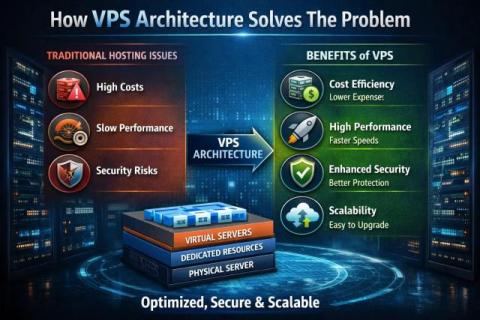
How VPS Architecture Solves The Problem

Virtual private servers approach this differently. They tackle contention head-on through dedicated resource allocation. Instead of letting resources slosh around freely between all sites like shared hosting does, VPS technology carves a physical server into isolated virtual machines. Each one operates independently. Each gets its own slice of CPU cores, RAM, and storage that nobody else can touch.
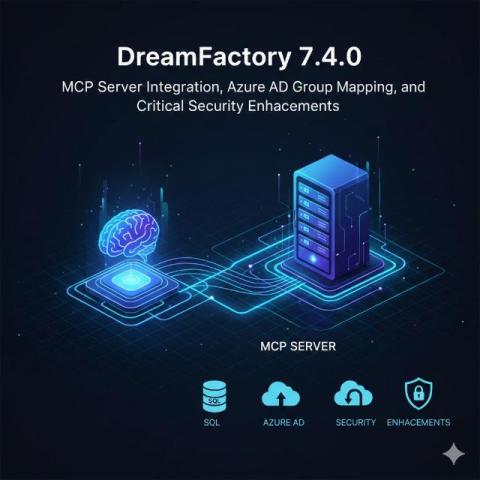

DreamFactory 7.4.0: MCP Server Integration, Azure AD Group Mapping, and Critical Security Enhancements

DreamFactory announces the general availability of version 7.4.0, a significant release that positions the platform at the forefront of AI-ready enterprise API infrastructure. This release introduces native Model Context Protocol (MCP) server capabilities, enabling seamless integration between AI applications and enterprise data sources. Additionally, v7.4.0 delivers substantial improvements to Azure AD/Entra ID authentication, critical security patches, and enhanced database connector functionality.

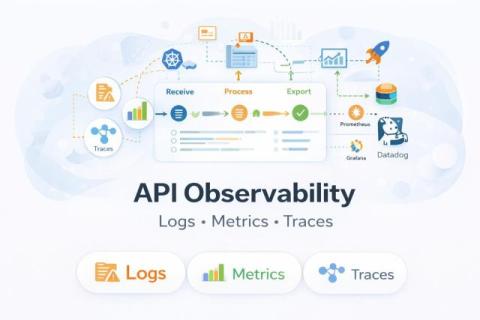
API Observability: What I Learned While Debugging APIs In Production

APIs rarely fail loudly. Most of the time, they break quietly while dashboards stay green. These silent failures are often the hardest to detect and the most damaging for users. I learned this while dealing with real production traffic. Everything looked normal until users started complaining. Let’s explore more about how this works.

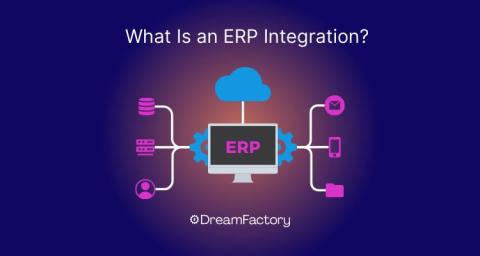
What is an ERP Integration?

ERP Integration is the method by which a business connects its ERP (Enterprise Resource Planning) software with other applications. The objective is to share data across systems to improve productivity and insights and create a single source of truth. There are several conventional approaches to achieving this, including point-to-point, ESB (Enterprise Service Bus), and iPaaS (Integration Platform as a Service). Here are the key things you need to know about ERP Integration.

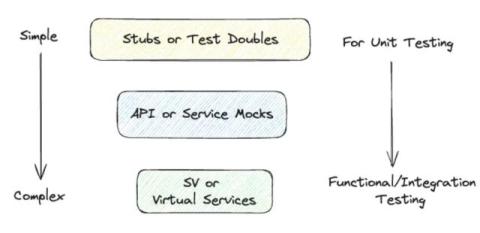
Mock vs stub: differences and testing examples

When discussing the process of testing an API, one of the most common sets of terms you might encounter are “mocks” and “stubs.” These terms are quite ubiquitous, but understanding exactly how they differ from one another - and when each is the correct method for software testing - is critical to building an appropriate test and validation framework. In this blog, we’re going to talk about the differences and similarities between mocks and stubs.

Agentic AI Integration: Why Gartner's "Context Mesh" Changes Everything

Gartner just published research that should be required reading for every platform and infrastructure leader building for the agentic era. The report, "How to Enable Agentic AI via API-Based Integration," makes a stark claim: incrementally reworking existing APIs and connector-based integrations for AI agents is no longer sufficient.

Zero-Code Snowflake APIs: DreamFactory for Non-Developer Teams

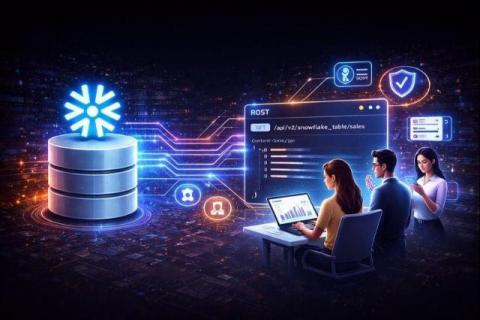
Data democratization is a strategic priority, but most organizations struggle to provide Snowflake access to non-technical teams. Business analysts, data scientists, and operations teams need data for dashboards, reports, and applications—yet they lack the programming skills to build API integrations. DreamFactory solves this challenge by enabling zero-code REST API creation from Snowflake, complith point-and-click security configuration, automatic documentation, and no programming required.

The CES Hangover: 3 Expensive Hardware Fails That Were Actually Software Problems

The dust has settled on Las Vegas. We saw transparent TVs, cars that drive sideways, and enough “AI-powered” toothbrushes to confuse a dentist. CES is incredible at selling the dream of hardware. The demos are slick, the lighting is perfect, and everything works on the showroom floor. But as engineers, we know the dirty secret of CES: The hardware is the easy part.