Systems | Development | Analytics | API | Testing

The Power & Importance Of Developing A Data Mesh Architecture.

More than ever, data platforms are becoming direct drivers of revenue. In this interview, host Ryan Green talks with Shane Murray, Field CTO at Monte Carlo, and Vishal Shah, Data Architect Manager at Pitney Bowes, about the importance of democratizing data, accountability, and fostering a self-service data mindset.

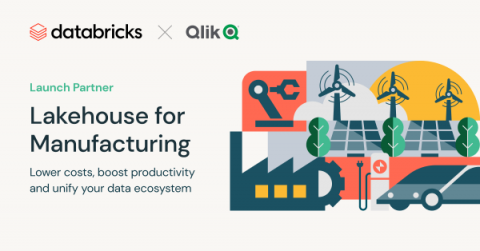
Optimizing the Energy Sector with Data Analytics

Across the energy supply chain from generation to consumer, we can see that the trend toward investing in renewable energy has picked up pace as demand has grown for energy companies to actively pursue investments in energies with little or no environmental impact in the quest for decarbonisation. McKinsey estimates that by 2035, 50% of energy will be wind and solar.

Talend Cloud Management Console: Accelerate your move to the cloud

More than 1,000 connectors and components in Talend Cloud put powerful graphical tools at your fingertips to connect databases, big data sources, on-premises data, and cloud applications. Now imagine designing cloud-to-cloud and hybrid integration workflows in Talend Studio and automating publication to a fully managed cloud platform.

Using Data To Create A Superior Customer Experience For Digital Payments

The digital payment market is experiencing explosive growth, and the competition among digital payment app providers is fierce. In India, which has the largest digital payment market in the world, Ring is setting itself apart from the crowd by tapping into the power of Snowflake’s Data Cloud to harness the data needed to provide a superior customer experience. Learn more in this “Data Cloud Now” interview with Ring Founder and CTO Karan Mehta.

Calibrating For Crisis - Here Are the Data Trends Helping Businesses Thrive In 2023

Whether inflation, global conflict or supply chain disruption, 2022 has been full of significant events that have fundamentally impacted the business landscape. The undercurrent is an accelerating de-globalization process. But this isn’t just geo-political in nature; the re-distribution of power and fragmentation of data are inextricably linked. As a result, data-driven businesses are having to adapt to a more distributed world – fast.