Systems | Development | Analytics | API | Testing

Debugging in PHP

PHP is a great language to start with when you are learning how to code. It has a simple syntax, it’s easy to learn and you can make dynamic websites with it. But even though it’s easy to write PHP code, it’s not always easy to debug. There are a lot of tools out there that can help you, but since PHP is an interpreted language, you can also use a couple of debugging techniques to help you find bugs in your code. In this blog post I'll cover the the following sections.

How to Debug Your Site Performance With Chrome

It’s now more than 30 years since the first website was born. Its purpose, you ask? To provide information about the World Wide Web, of course. In the three decades that have elapsed since then, we’ve created around 6 billion more websites. Some, like that inaugural site about the internet itself, are devoted to providing information. Others allow us to buy and sell products. Others give us access to photos, videos and other forms of media.

How to Identify and Debug Memory Bloat

Even the systems that run smoothly day and night, can flounder when short of memory. Efficient memory usage has become of utmost importance for software applications. Nowadays, with growing audiences and faster speed and data retrieval expectations, memory issues pose a huge threat to performance and can lead to huge losses in terms of customers and money. Therefore, it is very important to build memory-efficient applications that ensure overall performance and a smooth customer experience.

Android Studio and Xcode app debugging with Breakpoints: How to from Zero

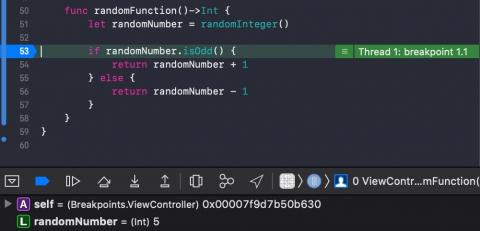
To kick off our series on debugging for software developers, we tell you how to build breakpoints step by step using Xcode and breakpoint Android Studio to isolate key information about your app’s performance, and save crucial time during the process.

Debug Your Apps from Anywhere with Sauce Labs Virtual USB

Today many organizations across the globe have shifted to a remote workforce. While this move may be temporary for some, it requires testing teams to reevaluate how they are testing their web and mobile apps. Traditionally a developer would have a number of devices on their desk or available from a physical device cart in the office, but testing and debugging an app when you don’t have the affected device readily available is a hassle. In a live demo of Sauce Labs Virtual USB, we’ll show you how Virtual USB (vUSB) simulates connecting a real device with a USB cable directly to your local machine during a live or automated testing session. With this functionality you can easily interact with a device in the Sauce Labs Real Device Cloud via an integrated development environment like Android Studio, or using browser-based tools like Chrome DevTools.