MODAS is the world’s first Mobile DevOps, Performance, Productivity, and Maturity Assessment. What does it mean for teams wanting to gain more insight into optimizing their end-to-end DevOps processes?
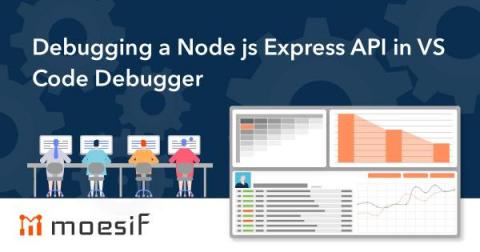
When we create software, we rarely do it without errors. API creation isn’t exempt from this fact, so sooner or later we’ll need to debug it. In JavaScript, the first stop for a debugging task is often logging to the console, but using a debugger can give us a more integrated experience. Node js is a cross platform and open source JavaScript runtime environment that allows the JavaScript to be run on the server-side.
React is a JavaScript-based library for using component-based architecture to create applications that share user interface content. It allows you to define the function or class-based component that provides a specific feature for an application; hence, each component in React application contains the set of lifecycle hooks. There are several lifecycle methods such as mounting the component, updating the state of a component, or unmounting the component.
Ever since the pandemic hit, supply chain issues have abounded. Retailers bore the brunt of the news coverage, as shelves went barren for a host of reasons—not least demand shifts, panic buying, container shortages, and geopolitical concerns. These supply chain issues are estimated to have caused revenue losses of 5%–20% for some retailers. Often, once loyal customers switch brands or retailers rather than waiting months for products to come back in stock.
To remain competitive, insurers need to look for ways to modernize the underwriting process. However, too often disconnected systems and siloed data get in the way, resulting in inefficiencies and a poor customer experience. We recently had the chance to sit down with Kathleen Ellis, SVP of International Solutions at CNA, during Digital Insurance’s annual conference to discuss how to accelerate connected underwriting on a global scale and their success with their CNA ComPassTM solution.