Systems | Development | Analytics | API | Testing

KubeCon + CloudNativeCon 2025: Recap

Hi everyone, my name is Bailey Ahrens, and I’m a marketing intern at Speedscale! I just returned a few days ago from KubeCon + CloudNativeCon North America 2025. While it was only my second trade show, it felt like a huge step forward in my confidence, skills, and future direction. My first conference (API World) was all about stepping outside my comfort zone. KubeCon was where I started leaning into that confidence and finding my place in the tech community.
Sponsored Post

Settle Your QA Debt Before the Bugs Start Breaking Kneecaps

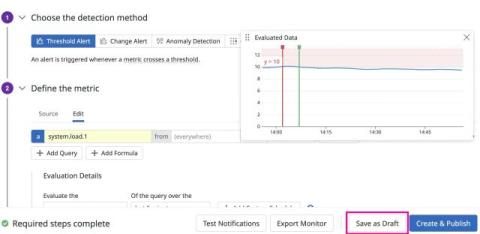
In Part One, we discussed how QA debt builds silently over time - causing slower releases, late-night firefights, and unpredictable test cycles. The next step is understanding how much debt you have and where it hides. This post goes deeper into measuring QA debt - what to track, how to collect data, and how to use those insights to create a sustainable plan for improvement.

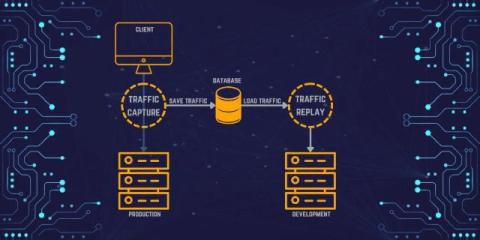
Part 3: Building a Production-Grade Traffic Capture and Replay System

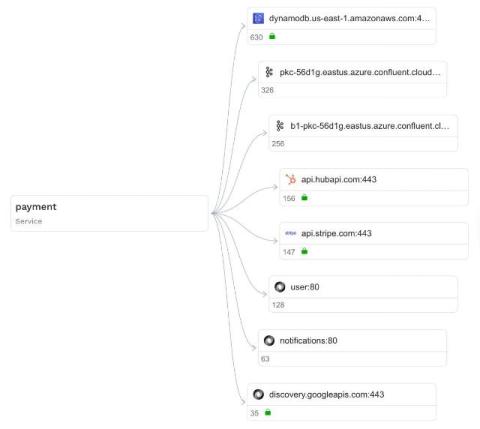
At a previous company, we had over 100 microservices. I’d make what seemed like a simple change to one service and deploy it, only to discover it broke something completely unrelated. A change to the user service would break checkout. An update to notifications would break reporting. We spent more time fixing unexpected bugs than shipping features. The problem was our test scenarios were too simple.

Speedscale Proxymock: Freely testing cloud native apps alongside AI code assistants

We’ll always remember 2025 as the year AI code assistants went big. Copilot, Cursor, Claude, Windsurf, whatever. Developers went from mistrusting these tools, to being expected to turn over much of their coding labor to them. Even if, according to an extensive Stack Overflow survey, only 3 percent of professional developers say they ‘highly trust’ AI coding tools.

Cascading Failures Aren't Inevitable: Lessons from the AWS DNS Outage

AWS outages grab headlines because they affect millions, but the root cause often comes down to something invisible: DNS failures and cascading service dependencies. The complexity of modern cloud systems, combined with the advanced technology powering platforms like AWS, makes these outages particularly challenging to diagnose and resolve.

Part 2: Building a Production-Grade Traffic Capture, Transform and Replay System

When developers try to build realistic mocks and automated tests from production network traffic, the real challenge isn’t just in the capturing—it’s in the data manipulation. Raw traffic is a chaotic sea of patterns, dynamic tokens, environment-specific secrets, and tangled dependencies that seem impossible to untangle by hand. Over my two decades of building these sytems, I learned that solving this problem requires more than brute-force parsing or ad hoc scripts.

Mitmproxy vs Proxymock: Replaying Traffic for Realistic API Testing

Replaying traffic is a core tool in your toolbox when you need to reproduce a tricky bug or validate how your app behaves. Traffic replay is especially valuable for testing complex software applications that rely on APIs and microservices, where integration and functionality must be thoroughly validated.

Part 1: Building a Production-Grade Traffic Capture and Replay System

A few years ago I was on call during the Super Bowl. At the time I was working for an observability vendor and one of our customers had an outage caused by a surge in user traffic. But our monitoring system didn’t have enough data to know what went wrong and I sat on a call for 2 hours painfully listening to them spinning up more servers and trying to catch up with the user load.

Debugging Without a Net: The Pain of Reproducing Production Issues

Every engineer has been there — a late-night page, a broken feature in production, and no clear way to reproduce it. The logs are vague. The metrics look normal. Your local environment works fine. Yet something somewhere is failing for real users. So begins the detective work — debugging a live system with almost no tools, no perfect test data, and no clone of production.

MySQL Mocking with Speedscale's Proxymock: A Complete Guide

Testing database-driven applications is notoriously painful. If your app depends on MySQL, you’ve probably spent hours setting up local databases, running migrations, loading data, and then cleaning everything up just to rerun your tests. This repetitive cycle slows development, breaks pipelines, and introduces inconsistency between local and production environments.