
Systems | Development | Analytics | API | Testing

Why Enterprise Teams Are Doing xP&A Planning Directly in Their BI Tools

Most enterprise finance teams already have a BI platform they trust. Power BI and Qlik Sense power the dashboards that executives review every day. They’re where analysts spend their days, where the business goes to answer questions, and where the organization has invested years of development and governance work. So why, when it comes time to planing, forecasting, and budgeting, does everyone abandon that environment and disappear into a tangle of spreadsheets?

Modernizing Loan Origination Systems for Digital-First Banks: A Strategic Transformation Guide

Lending has always been at the heart of banking. But the way loans originated is going through a quiet but powerful shift. Customers today expect instant decisions. Not in days. Not even in hours. They expect approvals in minutes, sometimes seconds. And they expect this experience to be smooth across mobile apps, web platforms, and embedded finance ecosystems. This is where the cracks in traditional systems start to show. Legacy platforms were never designed for this kind of speed or scale.

Analysis Insights: Stop Hunting for Root Causes in Your Load Test Reports

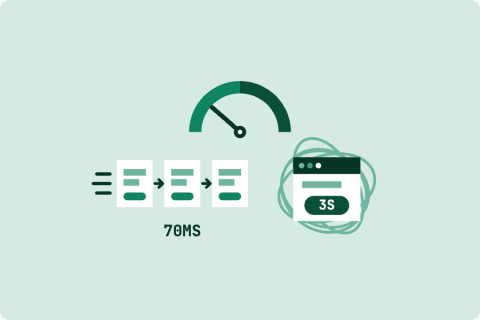
We are launching with this post a new series of blog articles and LinkedIn posts titled "Features Sitting Idle". In this series, we explore key features of OctoPerf that are either misused, misunderstood, or simply unknown to our users. It's time to shine a light on these hidden gems, features that are already there, ready to become a central part of how you test. This is probably the most common situation after a load test.

From EHR to Telemedicine: Types of Healthcare Software Transforming the Industry

The emergence of digital transformation technologies led to a nationwide change, causing a profound impact on various industries throughout the world. Among the conventional sectors affected by it, the healthcare industry emerged prominently. Interestingly, it not only disrupted but also provided a significant impetus to the healthcare sector, thereby positively influencing the different types of healthcare software and the medical software industry.

REST APIs vs Microservices: Key Differences | DreamFactory

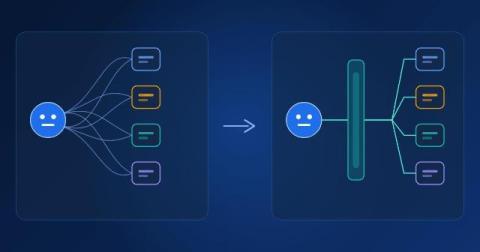
RESTful APIs and microservices solve different problems — REST is a style of API design, microservices is a pattern for structuring an application — but they work together so often that they're frequently confused. Most production microservices architectures use REST as the default communication mechanism between services, while plenty of monolithic applications also expose RESTful APIs to external clients.

Anatomy of the AI Software Factory: The Context Layer

This is Part 2 of the AI Software Factory series. In Part 1, we established that the Agile methodology is buckling under the weight of “elastic code.” When AI agents can generate functionality in seconds, two-week sprints and manual task management become organizational bottlenecks. We introduced the concept of the AI Software Factory: a shift from managing human tasks to managing business intent through a “Funnel of Increasing Trust.” But a factory requires infrastructure.

From Traffic Context to Confirmed Fix in 3 Minutes

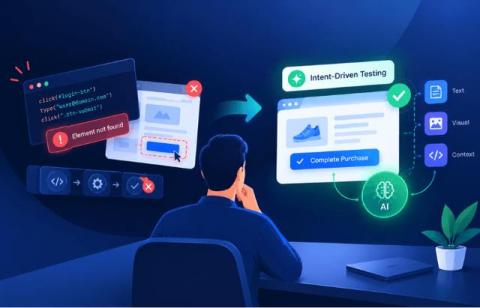
We’ve been building an AI agent that can take a production bug, find the root cause in captured traffic, write a fix, and validate it before a human reviews it. We call it Agent Factory. Last week we ran it on ourselves, against a real bug in our own production service. The first thing we did was get the workflow wrong.

Transforming Regulatory Reporting with Data Lakes: Architecture, Benefits & Best Practices

Regulatory reporting has quietly become one of the most data-intensive functions in financial services. What used to be periodic, form-based submissions has now evolved into continuous, high volume, multi jurisdiction reporting. And honestly, most legacy systems were never built for this kind of pressure. Banks and fintech firms today are dealing with fragmented data, rising compliance expectations, and shrinking timelines. Resultant - Reporting cycles that are slow, error-prone, and painfully expensive.