Systems | Development | Analytics | API | Testing

Getting Started With Microservices Testing

In today’s fast-moving tech world, microservices have become the backbone of modern applications. But with flexibility comes complexity, especially when it comes to testing. Unlike monolithic apps, testing microservices requires a different approach. Each service runs independently, and making sure everything works smoothly together is both important and challenging. In this blog, we’ll walk through what microservices are, why testing them matters, and how to approach them step by step.

How APM Tools Monitor Microservices Data Flows

Managing microservices is tough. With 91% of organizations using or planning to adopt microservices, monitoring their performance is critical. Application Performance Monitoring (APM) tools simplify this by tracking data flows, identifying issues, and improving system reliability.

4 Microservices Examples: Amazon, Netflix, Uber, and Etsy

In this article, we’ll explore the microservices journeys of these wildly successful enterprises. We’ll also examine why microservices have become a cornerstone for modern IT strategies and how they continue to evolve. But first, let’s look at the general circumstances that inspire enterprises to use microservices in the first place.

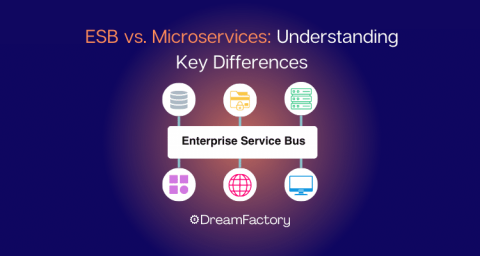
ESB vs. Microservices: Understanding Key Differences

Microservices are an approach to building applications that focuses on breaking down monolithic applications into independent, but loosely-connected “microservices.” ESBs and microservices are both architectural approaches for integrating applications, but they have different strengths and weaknesses. ESBs are better suited for integrating monolithic applications, while microservices are better suited for building scalable and resilient applications.

Integrating Microservices with Confluent Cloud Using Micronaut Framework

Designing microservices using an event-driven approach has several benefits, including improved scalability, easier maintenance, clear separation of concerns, system resilience, and cost savings. With Apache Kafka as an event plane, services now have a durable, scalable, and reliable source of event data. From Kafka topics, a microservice can easily rebuild and restore the state of the data used to serve end users.

Microservices vs Web Services: Key Differences

In the early days of web application development, monolithic frontends and backends were perfectly fine. But the emergence of the cloud has changed expectations. Developers want to build applications that exchange information with APIs (Application Programming Interfaces). Business owners want faster development times. End users expect zero downtime. This new paradigm enabled the rise of service-oriented architecture (SOA) and, along with it, microservices and web services.

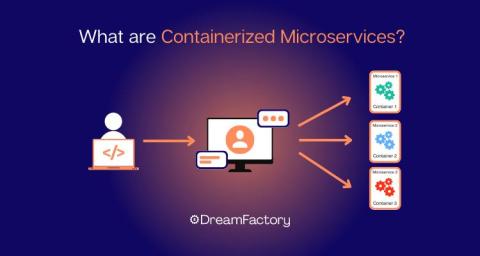
What Are Containerized Microservices?

Containerized microservices are essential to cloud migration and digital transformation plans. Do you have a clear picture of what containerized microservices are and why they’re important? In this guide, you'll learn about containers, microservices, and how they work together. First up is a bit of history that explains how the need for containers came to be. Here's the key things to know about containerized microservices.