According to Statcounter, Apple’s iOS penetration in the global mobile scene is around 27%, which is more than considerable. However, this penetration is at almost 50% in markets such as Europe or North America which coincidentally, are those at the forefront of enacting strict data privacy policies. So when Apple announced new user data privacy regulations for app developers as part of its iOS 14.5 release, it was not too shocking.
Congratulations! This is an exciting moment to begin building a new mobile app. Cross-platform frameworks have changed everything: thanks to them, developers can now ship performant apps across many platforms with a single codebase. Two of the biggest frameworks are Flutter and React Native, both with a ton of buzz around them. So what’s the right choice for your project?
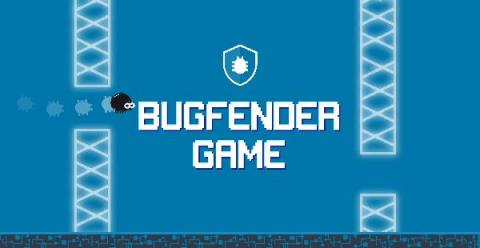
We’re going to investigate the basic strategies to debug an application created with Unity, from logs to breakpoints, during the development stage. Once an app is in production we can switch to using Bugfender, and we’ll explain this too. To illustrate this tutorial we have created a custom app called The Bugfender Game, a variation of the popular Flappy Bird. Unity is a cross-platform game engine that gives users the ability to create games and experiences in 2D, 3D, VR and AR.
Welcome to the spring Bugfender newsletter! We’ve been working on the past months improving some of our SDKs, making it easier to integrate Bugfender thanks to API improvements and introducing some new features to make your debugging experience even better. Furthermore, we’ve been actively writing fresh content for our blog. Make sure you don’t miss out on our featured articles for this quarter below!