A six-step AI diagnostic workflow with copy-paste prompts to find out exactly what broke in your B2B funnel, and whether the problem is even where you think it is.
The AI worker shakeup is here, and the scale is monumental. While tech giants chase grand singular visions, real employees are facing a massive displacement crisis that traditional tribunals and narrow regulations aren't equipped to handle. Are we moving too fast to protect our workforce?
Safely deploy autonomous workflows and agents across your organization in minutes instead of months with Snowflake AI Security. Discover how to new features like use Agent Identity, Data Movement Policies, and the Snowflake Trust Center to effortlessly block data exfiltration, enforce runtime masking, and neutralize threats before they execute.
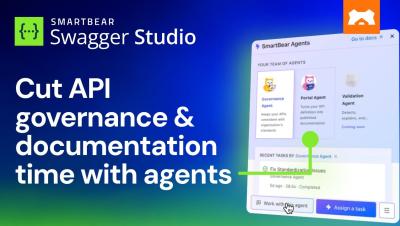
Learn how Kong Konnect's new unified catalog brings APIs and services together into a single source of truth, helping organizations manage the full lifecycle of their API platform — from design to governance to consumption.
The ability to push an update directly to your users’ devices without App Store review, without delay, without any action required from the user, is one of the most powerful capabilities available to a React Native team. Over-the-air (OTA) updates change how fast you can respond to bugs, iterate on features, and ship improvements. But that power cuts both ways. A bad OTA update reaching 100% of your users at once is considerably worse than a bad store release.
Data issues in real estate platforms rarely show up as a single failure — they surface as mismatched listings, inconsistent ownership records, and unreliable valuation inputs across systems. What’s often harder is translating those challahges into something measurable and tied to business impact. This guide focuses on that gap — how to quantify data quality issues, connect them to revenue and churn, and build a BI layer that makes data debt visible in product and engineering decisions.
UAT, or user acceptance testing, is the final phase of software testing where real users or business stakeholders verify that a product meets business requirements and works as expected before release. For example, imagine you’re testing a user registration page on a website to make sure new users can set up their account easily. A UAT scenario might confirm that users can: That’s user acceptance testing in action: validating that a real user can complete an important workflow successfully.
Software engineering teams are operating in environments that look very different from just a few years ago. Modern development workflows now span Kubernetes clusters, cloud infrastructure, CI/CD pipelines, AI-assisted coding, distributed architectures, internal developer portals, observability platforms, and dozens of engineering tools that all need to work together without slowing delivery velocity.
The rise of AI-assisted coding has transformed how software is built. With tools generating entire features in seconds, the bottleneck is no longer writing code—it’s verifying it. Because AI can generate boilerplate and handle API integrations instantly, more service changes are being pushed into authentication logic, API calls, and configurations. Teams desperately need a way to verify these changes before merging, especially when the code touches external dependencies.
White box testing is what separates teams that know their code works from teams that hope it does. High code coverage numbers can be misleading. A suite with 90% statement coverage can still miss the branch that throws a NullPointerException in production, or the loop condition that behaves differently on an empty list. White box testing is not just about running code – it’s about systematically verifying that every path, condition, and branch in your logic behaves the way you intended.