Introducing BigQuery text embeddings for NLP tasks
You can now generate text embeddings in BigQuery and apply them to downstream application tasks using familiar SQL commands.


You can now generate text embeddings in BigQuery and apply them to downstream application tasks using familiar SQL commands.
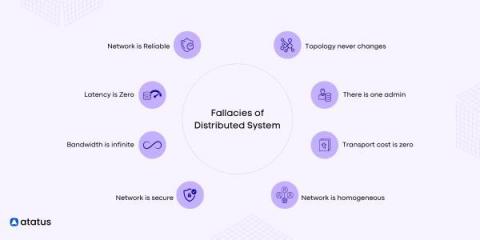
Imagine you have a big, complex task to complete, but it's too much for one person to handle alone. So, you decide to break the task into smaller parts and ask your friends to help you. Each friend takes care of their assigned part independently, and when everyone finishes their part, the entire task is complete.
When was the last time you WhatsApped someone? In all likelihood, the answer is probably not that long ago. First released in 2009, WhatsApp quickly became the default setting for instant messaging in much of the world. By 2014, it defined the market so much that it was acquired by Facebook – and it has pretty much remained a leader in the chat space ever since.
Today, organizations must do more with less. The pace of innovation has increased exponentially, yet resources remain the same (or are dwindling). Between talent shortages, long development cycles that rely on traditional programming languages, and technology teams that are already stretched perilously thin, many businesses have glaring operational problems they simply can’t solve with their current resources.
The product owner role is becoming increasingly common at government agencies implementing new software, such as government acquisition solutions. The product owner’s responsibilities include defining and prioritizing the product backlog—which includes a list of features, enhancements, and fixes—to make sure the product aligns with business goals.