Systems | Development | Analytics | API | Testing

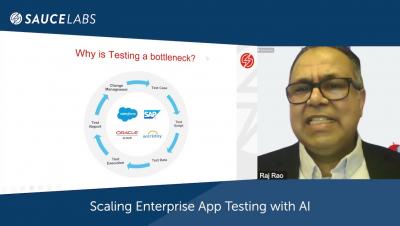
Why You Should Be Testing in Production

Testing any software project is an important step in order to find out how the software functions. Learning when the project acts as expected (and when it does not) is the ultimate goal of the testing process. Testing stops design errors from reaching production code. However, testing should not only happen before code is deployed.


Get the most out of Shopify Analytics

Running an eCommerce store is very much like flying a plane - you can reach unprecedented heights, but you won't be able to do it blindfolded. You have to see where you are going to touch the skies. E-commerce analytics gives you the guidance to make the right choice and scale your online store to new heights. In this article, we will take a deep dive into Shopify Analytics Shopify offers analytics as an out-of-the-box default service to all Shopify store owners and admins.

Four ways static dashboards are costing your business

Ask any analyst how they spend the majority of their work day and they’ll tell you: Performing remedial tasks that provide no analytics value. 92% of data workers report that their time is being siphoned away performing operational tasks outside of their roles. Data teams waste an inordinate amount of time maintaining the delicate data-to-dashboards pipelines they’ve created, leaving only 50% of their time to actually analyze data.

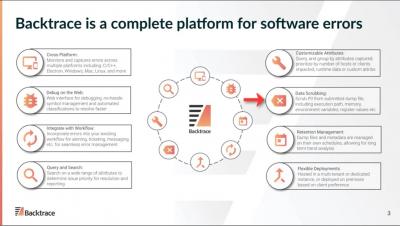
Backtrace Introduction and Demo Video

In this 10 minute video, you’ll receive a 2.5 minute introduction to the Backtrace platform, and a 7 minute demo highlighting key capabilities of the system. We open with a discussion on what types of errors can be submitted to Backtrace, and then dig deep on the Debug and Explore views. We highlight Triage briefly, and show how engineers can use Slack to be notified of new issues and immediately be brought into a Debug view.

Managing Docker Apps With Kubernetes Ingress Controller

Think back to when your development team made the switch to Dockerized containers. What was once an application requiring multiple services on virtual machines transitioned to an application consisting of multiple, tidy Docker containers. While the result was a streamlined system, the transition likely was daunting. Now, it’s time for another transformational leap: moving from a single set of containers to a highly available, orchestrated deployment of replica sets using Kubernetes.