If your organization is using multi-tenant big data clusters (and everyone should be), do you know the usage and cost efficiency of resources in the cluster by tenants? A chargeback or showback model allows IT to determine costs and resource usage by the actual analytic users in the multi-tenant cluster, instead of attributing those to the platform (“overhead’) or IT department. This allows you to know the individual costs per tenant and set limits in order to control overall costs.
Success for any business starts with data that is easily discoverable, understandable, and of value to the people who need it. We call this type of data “healthy data.” You should look at a wide set of measures and metrics to determine whether data is healthy or not, but at the core of all healthy data is a high level of quality.
Forbes Insights defines the modernized data center as being built to change just as much as it is built to last. One of the key pillars for a modernized data center is an agile data infrastructure. The Forbes Insights briefing explains, “This means it’s not wedded to any specific deployment method or solution set.
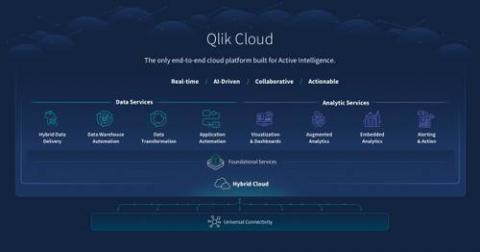
A favorite moment of mine is when I get to share Qlik’s vision for Active Intelligence with a customer for the first time. It usually goes like this: genuine excitement about the possibility – taking informed action in the moment from real-time data…invariably followed by many questions – where do I begin? What do I need? What about the tech stack I have already acquired?
Our recent blog discussed the four paths to get from legacy platforms to CDP Private Cloud Base. In this blog and accompanying video, we will deep dive into the mechanics of running an in-place upgrade from CDH5 or CDH6 to CDP Private Cloud Base. The overall upgrade follows a seven-step process illustrated below. In the video below we walk through a complete end to end upgrade of CDH to CDP Private Cloud Base.