
The ReferenceError: require is not defined error occurs if the JavaScript require method is used but is not available in the current context.
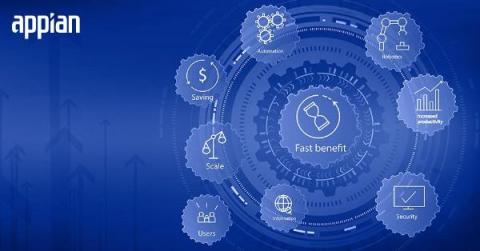
Organizations looking to improve their bottom lines have embraced automation for decades. Simple automation has long been bringing benefits to businesses and public sector organizations alike, despite being limited to supporting small tasks and workflows.
Developing a procurement strategy and planning procurement activities requires many steps, such as aligning procurement goals with overall organizational objectives, conducting market research, identifying sourcing opportunities, and developing procurement plans. Procurement challenges may multiply depending on your industry. For example, if you’re in a federal agency, procurement and the entire acquisition planning process must adhere to strict regulatory demands.
How do you know when a process needs help? Is it slow, bloated, or, worst of all, truly broken? It’s a crucial question for all leaders and teams pursuing speed and growth, to meet digital transformation goals like faster customer onboarding or faster time to market. Often, even seemingly simple business processes are more complex than we realize. Teams and individuals may develop clever workarounds to get past large and small process problems.
If you’ve ever looked at the Request for Comments (RFCs) around sending and receiving emails, you’ll see the technical complications involved when hitting send in your email inbox. Thankfully, many existing tools provide the Simple Mail Transfer Protocol (SMTP) service for us developers — from a Postfix server you manage to a fully scalable sending service such as SendGrid, Amazon SES, or Postmark.
To err is human. It happens all the time. If we don't account for errors on our websites, then our users will get an awful browsing experience. That's why it is better to plan for errors. In today's post, we'll go through different ways of handling errors in Preact applications. Let's get going!
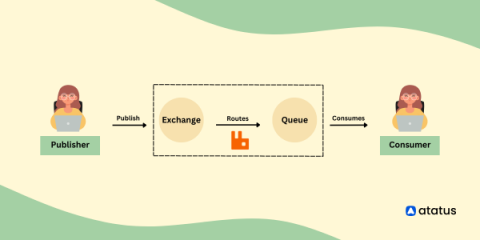
Have you ever wondered how modern applications, especially those built on microservices architecture, communicate with each other? In today's fast-paced, distributed computing environment, where services need to be highly available, scalable, and fault-tolerant, traditional communication mechanisms like REST APIs and SOAP may not suffice. This is where message-based communication comes into play.