Systems | Development | Analytics | API | Testing

How to Complete a Bottleneck Analysis in 5 Steps

Budget cuts. This dreaded term has become all too familiar in the modern economic climate. Whether cutting software spend, head count, and professional services, or optimizing supply chain, productivity, and organizational overhead, companies across the globe are trying to reduce inefficiency and waste. The savvy leader will agree that objective, data-driven decisions are the most likely to achieve desired business impact.

The Ultimate Guide to Fix "This Site Can't Be Reached" Error

Are you a casual internet user or a tech-savvy professional? Have you ever been anxious to visit a website and clicked on a link only to be greeted by a blank page and the warning "This site cannot be reached"? Isn’t that so frustrating? When attempting to access a website, the dreaded "This site can't be reached" error can be an annoying and intimidating obstacle. This type of error can occur for a variety of reasons, ranging from a technical issue to an incorrect URL.

How to embed an Android Unity game in a Flutter app

One of the great features that made Unity popular is its ability to provide builds for multiple platforms out of the box. But there may be scenarios in which you would like Unity to comprise just a part of your application, while the rest is written with some other framework. A typical use case is using Unity’s functionality inside a Flutter application.

A Comprehensive Guide to Tuples in Python

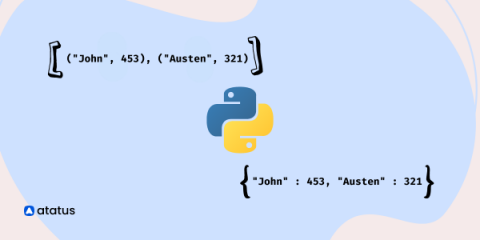
When working with data collection, we occasionally encounter situations where we want to ensure it is impossible to change the sequence of objects after creation. Many data processing algorithms and functions expect data to be in a specific order since the order of the data affects the results of the processing. Python has a built-in sequence data type to store data in an unchangeable object, called a tuple. Tuple will let you store an ordered sequence of items.

rem vs em: Understanding the CSS Unit Basics

CSS is the most important component of modern web design, but implying it effectively can be tricky. One of the most noteworthy concepts to grasp in CSS is the distinction between rem and em. Web developers who want to create flexible and responsive web pages must contemplate the differences between these two units. One of the primary distinctions between rem and em is that an em unit is relative to the font size of its parent element, whereas a rem unit is always relative to the root font size.