Systems | Development | Analytics | API | Testing

From IoT Data to AI-Ready: The Edge Solution

Is your data actually ready for AI? While companies rush to deploy machine learning models, 83% of executives realize that high-value, real-time data is trapped at the physical edge—on factory floors, inside hospitals, and at retail terminals. With billions of connected IoT devices, managing this data creates massive hidden headaches like security risks and pipeline blind spots. True AI readiness starts at the edge. Bridge the gap between your edge devices and your AI goals today.
Using MCP Tools for Declarative Pipelines - Creating the Data Pipeline - Video 2

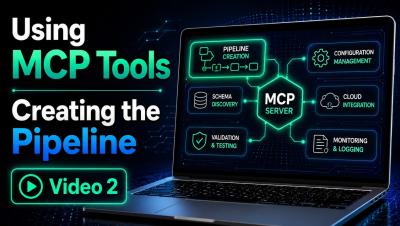
This is Part 2 of a two-part video series exploring how Qlik MCP tools can be used with declarative pipelines directly within VS Code. In this video, Mike Tarallo, demonstrates how to now create the data pipeline using declarative YAML in VS Code. You will see the creation process, learn some tips and tricks and see the final result.

Using MCP Tools for Declarative Pipelines - Video 1

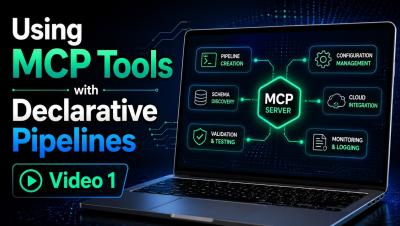
This is Part 1 of a two-part video series exploring how Qlik MCP tools can be used with declarative pipelines directly within VS Code. In this video, I demonstrate how to use the MCP tools to explore and validate your Qlik environment before building anything—identifying available connections, inspecting source tables, reviewing pipeline project information, and verifying the resources you plan to use.

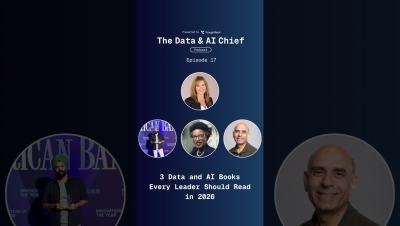
AI Changed Everything. Except What Matters.

AI changed the process, but not what matters. In the latest episode of The Data & AI Chief, three authors explore what it takes to lead through the AI era, from scaling innovation to building AI-ready data foundations to keeping humans at the center. This episode features: Linda Hill, Harvard Business School Professor and author of Genius at Scale, on scaling innovation and leading through uncertainty.

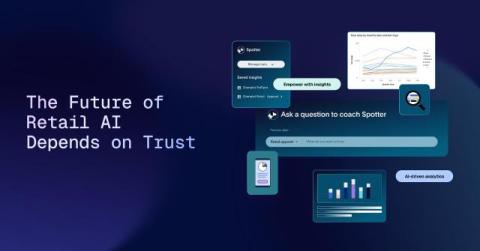
Trust, Tested: What Consumers Really Think About AI in Retail

Retailers are making heavy investments in AI. From interactive virtual shopping assistants to automated supply chain tools, the goal is simple: connect with buyers and drive growth. However, realizing real business value requires bridging a critical trust gap. So why did ThoughtSpot team up with YouGov to survey 4,833 adults across the US and the UK? It all comes back to trust.

Ep 88 | AI Adoption vs. Adaptation: What Problem Are You Solving?

Paul McDonough-Smith estimates that many business leaders would struggle to define their organization’s problem clearly in fewer than 25 words. With AI, that lack of clarity can quickly turn into fragmented solutions and misplaced expectations. In this episode of The AI Forecast, Paul Muller sits down with Paul McDonough-Smith, a Visiting Senior Lecturer at MIT Sloan School of Management and a Senior Advisor to NASA's Goddard Space Flight Center, to explore how organizations can approach AI with greater clarity and purpose.

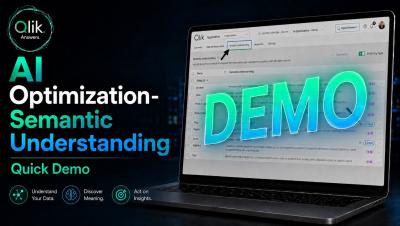
AI Optimization - Semantic Understanding - Quick Demo

AI Optimization is a workspace for managing how Qlik Answers understands an application. It brings semantic management into one experience, where you can review AI-generated semantic understanding and make corrections before they reach an answer. The result is a visible, correctable layer where there used to be none. AI Optimization is the central place to manage how Qlik Answers interprets your application. Semantic Understanding, inside it, shows and lets you edit this interpretation of each field and master item.

[Tutorial] AgentSpot Training Episode 9: How to Get Started on AgentSpot Free

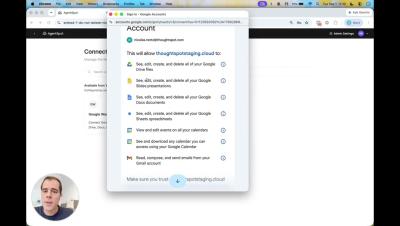
In this video, learn how to set up AgentSpot's self serve free tier from scratch. You'll connect the apps you already work with (Google Workspace, Slack, and more) and authenticate them in a couple of clicks. Plus, you'll build your first agent, one that catches you up on Slack threads so you don't have to. Tip: the more tools you connect, the more context your agent has, and the better it works for you.