Systems | Development | Analytics | API | Testing

Expanding Into a New Real Estate Market? The Data and Integration Checklist You Need Before Launch

For a real estate platform, a new market can introduce different source systems, property attributes, identifiers, business rules, geographic structures, and reporting requirements, each of which enters the platform somewhere. The engineering question is where those differences land in the existing platform, and whether the current data model, integrations, search, workflows, and analytics can absorb them without a second architecture forming alongside the first.

How JavaScript Garbage Collection Works

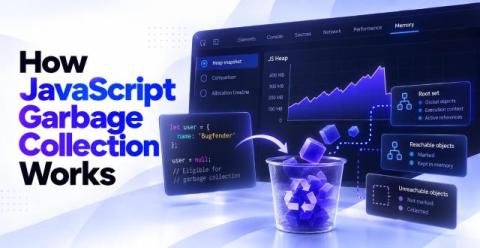
If you’ve ever written JavaScript, you’ve never had to write code that says “delete this object, I’m done with it.” That’s because there’s a process called garbage collection running in the background to save you the hassle. Most of the time this process works smoothly and invisibly. But it can also cause an app to suddenly start stuttering for no obvious reason if you don’t manage it effectively. This post will give you the tools to do just that.

8 Best AI SRE Tools for Platform Engineers

A Kubernetes deployment succeeds, but the application starts returning errors. CPU utilization looks normal, yet response times climb. An autoscaler adds capacity without improving performance, and the on-call engineer spends the next hour moving between dashboards, deployment histories, logs, and configuration files. The difficulty is rarely a lack of monitoring data. It is determining which signals matter, how they relate, and what action will restore service without introducing another failure.

When WordPress Connects to Other Tools, Maintain the Connection Too

The form says thank you. The sales team never sees the lead. Somewhere between WordPress and the customer management system, the information has stopped moving, yet both products appear to be online. Connected tools create useful automation, but they also create a maintenance boundary that can be easy to miss. The website's job may continue after the visitor has left the page. That part of the process needs an owner as well.

8 Leading Platforms for Automated Software Delivery With AI Agents

Software delivery automation is moving beyond pipelines. CI/CD can compile code, run tests, build artifacts, and execute predefined deployment steps. AI agents add something different: the ability to interpret engineering work, gather context, choose what should happen next, respond to failed checks, coordinate tools, and continue working toward an outcome.

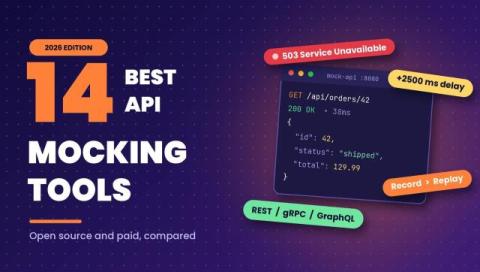
14 Best API Mocking Tools In 2026 (Open Source And Paid)

Your frontend is ready, but the backend endpoint it depends on ships next sprint. Your QA team wants to test a payment flow, but the third party sandbox is down again. Your CI pipeline fails twice a week because a staging database returned different data. All three problems have the same fix: an API mocking tool. API mocking tools let you simulate an API, or any dependency your service talks to, so you can build and test without waiting on the real thing. The hard part is picking one.

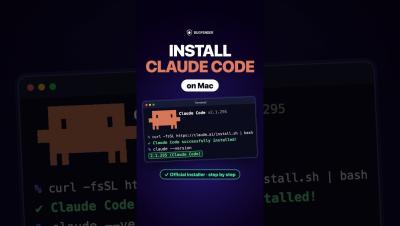
How to Install Claude Code on Mac (Official Installer, Step by Step) #shorts #coding #claudecode

How to install Claude Code on Mac in under one minute using the official native installer. Claude Code is Anthropic’s AI coding assistant for Terminal. This tutorial follows the official setup process step by step: find the installer, open Terminal, complete the installation, verify the version and sign in.

LLM and AI Agent Observability: What to Monitor, Evaluate, and Test

LLM observability is the practice of collecting and analyzing data about how a language model application or AI agent behaves, including prompts, responses, tool calls, cost, speed, and errors, so teams can find problems, measure quality, and improve results. AI agents can now plan tasks, call tools, and work across business systems. That makes them powerful, and it also means a single request can involve many steps that no one sees directly.

Agentic AI Security and Governance: Risks, Controls, and a Practical Checklist

Agentic AI security is the set of controls that keep AI agents from accessing, changing, or sharing more than they should. It covers who an agent acts for, which data and tools it can use, which actions need approval, and how its activity is recorded and reviewed. AI agents are moving from pilots into daily operations. They read invoices, update records, answer customers, and trigger workflows across business systems.