We’ve raised a $60m Series C funding round to help us deliver on that goal. Bitrise is already core to the mobile engineering processes of many of the world’s most successful businesses, but — with this funding — we’ll build out our team and technology to make you even faster, more efficient, and more successful on mobile.
We are in discussions with Microsoft about the support of Xamarin and.NET MAUI on Bitrise, and this is what we know now, months before the planned prod-ready release in Q2, 2022.
In this blog post, we’re answering audience questions related to DevOps, team, and culture from our ‘Building Mobile Apps At Scale’ webinar with Gergely Orosz, Pooja Bhaumik, and Franz Busch.
This is a recap article with all the answers to the questions I received during my previous talks at Droidcon, WeAreDevelopers, and more.
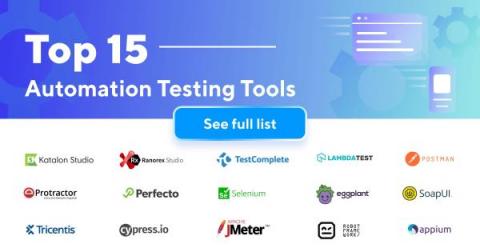
Automation testing tools are applications designed to verify function and/or non-functional requirements via automated test scripts. With the Agile and DevOps manifesto as the standard of software testing, setting a clear-cut automation testing tools evaluation strategy is key. Ultimately, this strategy will need to answer the questions of: Plus, there isn’t really a one-size-fits-all automation tool. It really boils down to your team’s specific needs.
After you’ve built your microservices-backed application, it’s time to deploy and connect them. Luckily, there are many cloud providers to choose from, and you can even mix and match. Many organizations, like Australia Post, are taking the mix-and-match approach, embracing a multi-cloud architecture. The microservices that make up a system no longer have to stay on a single cloud.