
Systems | Development | Analytics | API | Testing

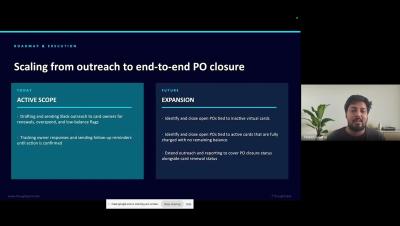
[Finance Demo] - AgentSpot Use Case - Virtual Card Spend Oversight

Manually cross-validating virtual card data across disconnected systems was a constant pain, until the procurement team built an AgentSpot agent to do it automatically. This video showcases a Virtual Card Intelligence agent that pulls PO and requisition data from Google Drive, cross-validates it against Spend Flow, flags expiring cards and utilization risks across 30/60/90 day bands, and sends personalized Slack outreach to card owners. Plus a full 9-tab Excel report covering KPIs, expiry, utilization, and reconciliation. The best part? This is all done in just 4-5 minutes.
Test Management in the AI-Driven Era: What QA Teams Should Expect from Their Platform

Ask most QA teams how many tools it takes to manage one release and the list runs long: a repository for test cases, a separate grid for automated runs, a dashboard bolted on for reporting, and now an AI tool for generating or maintaining tests. Each has its own login, its own contract, and its own way of describing the same test case. That fragmentation is why "all-in-one test management platform" became the phrase buyers actually search for.

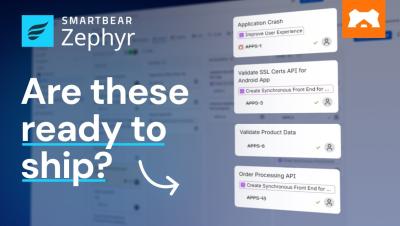
Bring your test data into the AI tools you use | SmartBear MCP Server for Zephyr

Not everyone who needs a read on release readiness lives in Jira. This video demonstrates how the SmartBear MCP Server brings trusted Zephyr test data into Claude, so anyone who needs access to testing data gets it without switching context. A QE lead checking coverage, a release manager confirming a ship date, a developer following up on a fix, and any stakeholder who just wants a fast answer has what they need.

Kong and Straiker: Runtime Security and Agent-Level Control for AI Agents

Kong AI Gateway already gives platform teams a central place to route, observe, and enforce policy across AI traffic. Security teams working alongside those platform teams often need another set of answers: Which agents are connected? Which attack paths actually succeed against them? What happened across the full session or tool chain? And if an agent is compromised, can its next action be stopped before it reaches an enterprise system? The integration is designed to be complementary.

Building an Agentic SOC on a Stream

Modern Security Operations Centers (SOCs) are transitioning towards agentic architectures. Traditionally, SOCs relied on rigid, rule-based automation and high human effort. We built an Agentic SOC powered by AI agents that don't just follow rigid, hardcoded rules, but also autonomously investigate, reason, and act like human analysts.

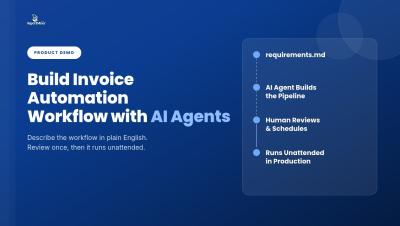
Build Invoice Automation Workflow with AI Agents | Astera ReportMiner

See how Astera ReportMiner uses AI Agents to build invoice automation workflows without the time consuming manual configuration. Upload your invoice requirements, and the Agent builds the workflow for extraction, transformation, validation, and delivery to your preferred destination. It shows each step as it works, so your team can review and verify the process before deployment. Once approved, the workflow can be scheduled to run unattended.

Live Demo | Build a Reliable Data Foundation for Enterprise Analytics & AI

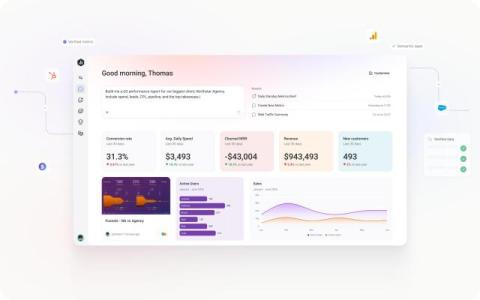
See how Astera turns data preparation and analytics into a conversational experience. Ask questions in plain language, prepare and analyze data, and turn the results into live dashboards without manually building every step. Astera brings structured and unstructured data into a governed data warehouse, then lets teams explore it through natural language. Every chart is traceable to its source, transformation steps, and underlying logic, so teams can validate how each answer was produced.

Put Your Data to Work with ThoughtSpot in ChatGPT Work

Every organization says it wants self-service analytics, but very few have it. What actually stalls true self-service analytics is the invisible work that has to happen before anyone can ask a data question: the semantic layer, query engine, security model, and analytics app. That work lands on your product and data teams, who are already time-strapped to deliver core features and strategy, and it lands on them again every time a new question, a new tenant, or a new dashboard request arrives.

Why Your AI Strategy Needs Both Shared and Shared-Nothing Storage

As enterprises scale AI initiatives from the core data center to the edge, many organizations are thwarted by weak data practices and fragmented systems. The attempt to use a one-size-fits-all architectural approach for workloads that have fundamentally different needs is no longer a solution. If your AI ambitions are outgrowing your storage: the solution isn’t just adding more capacity, but matching the right architecture to the right stage of the AI lifecycle.