Data Mesh Architecture Through Different Perspectives

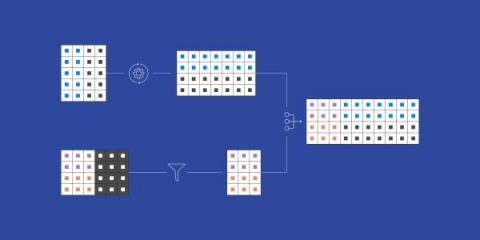
We previously wrote how the data mesh architecture rose as an answer to the problems of the monolithic centralized data model. To recap, in the centralized data models, ETL or ELT data pipelines collect data from various enterprise data sources and ingest it into a single central data lake or data warehouse. Data consumers and business intelligence tools access the data from the central storage to drive insights and inform decision-making.

DataOps Observability: The Missing Link for Data Teams

As organizations invest ever more heavily in modernizing their data stacks, data teams—the people who actually deliver the value of data to the business—are finding it increasingly difficult to manage the performance, cost, and quality of these complex systems. Data teams today find themselves in much the same boat as software teams were 10+ years ago. Software teams have dug themselves out the hole with DevOps best practices and tools—chief among them full-stack observability.

Adverity is Powered by Snowflake-and Moving into New Markets with Confidence

What’s harder than finding the right data architecture? Finding the right dedicated partner. Adverity gets both with Snowflake. Learn how the two organizations are moving into new markets and supplying even more reliable marketing data to Adverity customers. When a fast-growing SaaS business looks to expand its client base, it normally encounters two major challenges: In many cases, an external data solution provider can only help solve the scalability challenge.

Why is Customer Feedback so Important for the FinTech Industry?

Some time ago, we covered the key metrics that a Product Manager in a fintech organization should make a top priority when determining their KPIs, breaking them down into five groups: Session-based data, Customer Feedback, Technical Metrics, Action Stats, and Revenue. With that in mind, we conducted a series of surveys on LinkedIn, asking PMs in the fintech industry which of those groups were the most important for them while running digital product analytics.

Demystifying Modern Data Platforms

July brings summer vacations, holiday gatherings, and for the first time in two years, the return of the Massachusetts Institute of Technology (MIT) Chief Data Officer symposium as an in-person event. The gathering in 2022 marked the sixteenth year for top data and analytics professionals to come to the MIT campus to explore current and future trends. A key area of focus for the symposium this year was the design and deployment of modern data platforms.

How a Tour Operation Company Used Data to Improve Their Customer Experience

The customer journey is the decision-making process each buyer goes through before converting to a paying customer of your business. Mastering this journey will require an in-depth understanding of each stage and how you can continually improve your efforts. To understand this journey, you need to take a customer-centric approach, putting yourself in your customer’s shoes to understand their point of view.

Chose Both: Data Fabric and Data Lakehouse

A key part of business is the drive for continual improvement, to always do better. “Better” can mean different things to different organizations. It could be about offering better products, better services, or the same product or service for a better price or any number of things. Fundamentally, to be “better” requires ongoing analysis of the current state and comparison to the previous or next one. It sounds straightforward: you just need data and the means to analyze it.