Systems | Development | Analytics | API | Testing

The Fall and Rise of Embedded Plugins: IFrames - the Default Choice for Embedded Integration Design

With the rise in popularity of embedded integrations, and continued trial and error in this space, it’s best to review the core concepts of how embed frameworks operate. There are many ways platforms open their UI to third-parties, but one is considered original - the oldest, and likely still the most common method on the web - the old iframe model. In the olden days, the common way to enable third-party content in one’s interface was by iframing.

Automation Using AI: 5 Real-World Examples and Best Practices

Companies use a wide range of both artificial intelligence (AI) and automation tools, and each automation tool serves a different purpose, often working together to boost efficiency. In this blog, we’ll explore the differences between AI and automation, how they can complement each other through intelligent automation, and five real-world examples of how they work together. We’ll also highlight the benefits of using AI in business process automation.

Announcing SCIM Support in Insomnia to Automate User Onboarding

Today we're excited to introduce SCIM (System for Cross-domain Identity Management) support in Kong Insomnia to automatically provision and deprovision user accounts using a third-party IDP. This capability will enormously simplify the process of onboarding enterprise users into Insomnia, and it's available today for every Enterprise plan customer.

Understanding Kotlin Generics: A Complete Guide for Developers

Kotlin Generics are a way to use generics in Kotlin that have type parameters specified to their usage. This powerful tool defines code components so that they will work with any data type in a flexible and reusable manner – and the main advantage of Kotlin Generics is how they are statically-typed.

Most Common Java Runtime Errors and Solutions

Java provides the essential tools and libraries to deliver exceptional results, from crafting desktop applications to developing mobile apps and complex enterprise systems. With unparalleled versatility and portability, Java is a top choice among developers and one of the most widely used programming languages globally. However, like any programming language, Java isn’t immune to errors. Specifically, runtime errors are a frequent hurdle that developers must navigate.

Measuring the Impact of Feature Flags in Ruby on Rails with AppSignal

Feature flags are a powerful tool in software development, allowing developers to control the behavior of an application at runtime without deploying new code. They enable teams to test new features, perform A/B testing, and roll out changes gradually. In Ruby on Rails, feature flags can be managed using diverse tools, the most popular being the Flipper gem.

What Is Low-Code Integration and Is It Right for Your Enterprise?

Enterprises have complex IT and technology needs. To reach business goals, organizations must often stitch together a patchwork of software and IT systems. So, it’s understandable that the thought of adding yet another technology—low-code—might cause trepidation. But low-code excels at integrating seamlessly with any technology. Low-code tools speed up development work and enable rapid application development.

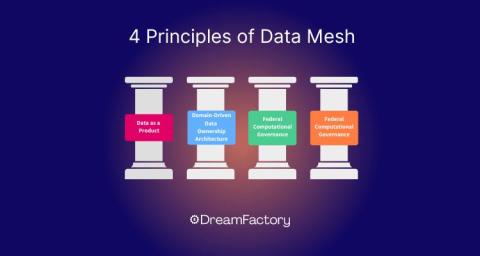
Data Management and the Four Principles of Data Mesh

A relatively new term in the world of data management, data mesh refers to the process of creating a single, unified view of all enterprise data. This process can happen in several ways, giving business users easy access to the data they require for decision-making. Several principles guide data mesh design and implementation. This article will discuss the principles of data mesh and how they can help your business get the most out of its data.

REST vs. GraphQL: Which API Design Style Is Right for Your Organization?

The evolution of APIs (application programming interfaces) has been all the hype in recent years. In many ways, they're powering the modern internet as they open doors to organizations and developers around the globe. Data shows that 98% of enterprise leaders believe APIs are essential for survival concerning digital transformation, yet most struggle to develop a comprehensive rollout strategy.

Tideways joins the Open Source Pledge

Tideways is joining the Open Source Pledge because we want to make a public commitment on our various open source contributions. Not only do we rely on open source software in our product Tideways, we are also building our business on top of the open source language PHP and its continued success. The mission of the recently started Open Source Pledge initiative is to establish a new social norm in the tech industry of companies paying Open Source maintainers.