Namespace, Avrea, and Blacksmith are among the fastest GitHub Actions runner providers on the market right now. According to Avrea's August 2026 benchmarks, they all score within about 1% of each other on raw CPU. The same benchmark shows warm builds (populated cache) beating GitHub's default cold start (cache disabled) by anywhere from 5x to more than 140x, depending on the project.
The forecasting model is often the smaller part of the job. In production, what makes predictive analytics in real estate reliable is the infrastructure around it: governed historical data, unified business entities, feature pipelines, model serving, monitoring, and integration into the systems where people work.
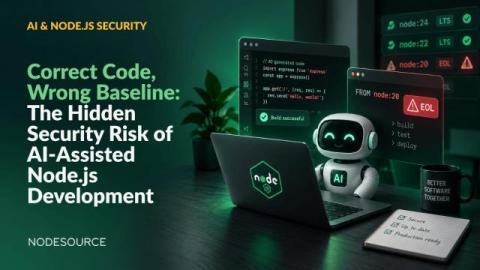
AI coding tools are becoming increasingly capable of writing software that compiles, passes tests, and solves real engineering problems. But generating working code is only part of what these systems now do. When an AI assistant creates a Node.js project, it may also influence decisions about: Those decisions can survive much longer than the generated code itself.
How closely are compliance and patient experience actually connected in a medical practice? While compliance often focuses on regulations, documentation, privacy, and operational standards, it can directly influence how smoothly patients move through their care. Disorganised processes, inconsistent communication, or poorly managed administrative responsibilities can create compliance risks while also frustrating patients.
General availability adds sandboxed runtime, verifiable identity, and MCP-level governance, giving enterprises control of every agent without being tied to one model or framework.
Until 2025, fitting a new table meant fitting a new model: engineer features, tune XGBoost, validate, repeat. Every CSV was a fresh problem, although tables share a great deal of structure. Tabular foundation models (TFMs) change the unit of work.
Agentic analytics, embedded customer-facing reporting, and everyday business metrics now demand the same thing: performance at massive scale, and answers fast enough that a business user never notices the wait. Most generic databases were never designed for that combination. They assume a small population of analysts writing SQL and query latency measured in seconds, not AI agents and business users asking questions around the clock.