Systems | Development | Analytics | API | Testing

Replay Real Customer API Sessions as Datadog Synthetics Tests

A customer pings support: “I tried to check out twice this morning and got a 500 each time, but it works fine for everyone else.” The session ID is in the email. You have full request/response capture in your environment, you have Datadog Synthetics already running browser checks against the same flow, and you still spend the next two hours grepping logs because none of those tools let you say “show me just this user’s requests, in order, and re-run them.”

Honeybadger Insights Parameterized Queries

Make your Honeybadger Insights system dashboards dynamic with parameterized widget queries. In this walkthrough, Ben shows how to take a dashboard built from data reported by the Honeybadger CLI agent — load average, memory used, disk used across a fleet of hosts — and filter the whole view down to a single host with one parameter. What you’ll see: One dashboard, many views — no duplicate widgets, just a shareable URL.

Why we built a dedicated SDK for realtime AI streaming

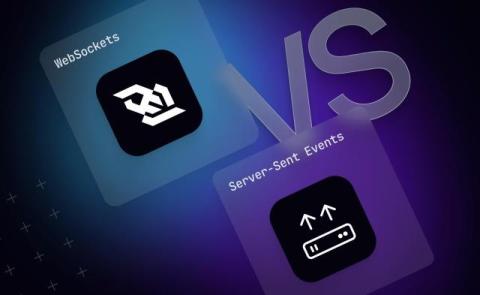
If you've built a conversational AI feature, you know the pattern. Client sends a message, backend calls a model, response streams back over HTTP. SSE mostly, or WebSockets if you need bidirectional. For a single user on a single device, it works well. The trouble is the best AI products right now have moved well past that.

Reclaim Data Sovereignty for the AI Era

For the modern IT leader, managing a hybrid cloud often feels like navigating a series of operational constraints rather than executing a strategy. You’re caught between the board’s demand for immediate AI results with disparate data silos, rising egress costs, inflexible consumption models, overworked employees, and the looming impact of hardware refresh cycles. There’s a constant friction between the agility of the cloud and the resilience of your on-premises core.

Quality Intelligence Explained

Your pipeline is green. But do you actually know what you tested? Most teams don’t know what changed, what was covered, or what risk remains. That’s the gap Quality Intelligence solves. It turns test and engineering data into real, evidence-based confidence so you can release faster, with less risk. With Tricentis SeaLights, you can move from assumption to understanding. So you don’t just test more, you understand more!

What's New in ThoughtSpot's Latest 26.4 Release

Check out what’s new in ThoughtSpot’s latest release. dbt MetricFlow Integration: Seamlessly import semantic definitions from dbt for a single source of truth across your stack. AI Theme Builder: Stop mapping CSS. Describe your brand guidelines and watch a polished UI appear instantly. Enhanced Mobile Experience: Bring decision-making to your pocket with expert-level reasoning via Spotter 3 and mobile-first Muze charts.

Why AI Models Fail Without Trust | The Ontology Secret

Data trust is broken. In the "good old days," one expert vetted one dashboard. Today? You have massive scale and AI models that need accurate data to survive. Jessica Talisman joins Cindi Howson on The Data & AI Chief to reveal why the ontology pipeline is the secret sauce for trustworthy AI. Learn how structural clarity turns data chaos into your biggest competitive advantage. Catch the full discussion on your preferred podcast player!

The 5 Pillars of AI-Ready Data (Explained in 60 Seconds)

Most organizations are investing heavily in AI—but the outputs still aren’t reliable. The reason often isn’t the model. It’s the data pipeline behind it. Disconnected systems, inconsistent preparation, and limited governance make it difficult for AI to produce accurate answers. Before AI can deliver real value, the data feeding it must be structured, contextualized, and governed. In this animation, we break down the 5 Pillars of AI-Ready Data and show how data moves through a connected pipeline before it reaches AI.