

Systems | Development | Analytics | API | Testing

The latest News and Information on Software Testing and related technologies.

The next evolution in QA: How AI is changing software testing

Shipping high-quality software quickly is challenging. QA professionals are facing pressure to test more, faster in a world where GenAI is pushing delivery – all while trying to cut costs. For years, manual testing and traditional automation tools like Selenium have been the standard. But both come with challenges. Manual testing alone can be slow and prone to errors, while Selenium and similar tools require coding expertise, need constant script maintenance, and are easily broken by UI changes.


How to create a test cycle | Zephyr

SmartBear Zephyr is the Jira-native test management and automation platform that empowers your team to deliver better software, faster. Organizing your testing into Test Cycles is the best way to align your QA efforts with specific sprints, releases, and versions, ensuring your team stays focused and on schedule. This short demo video guides you through the process of setting up and populating your Test Cycles. You’ll learn how to define execution windows, link cycles to specific release versions, and pull in test cases from across different Jira projects to create a unified testing effort.

Tracking testing progress with reports | Zephyr

SmartBear Zephyr is the Jira-native test management and automation platform that empowers your team to deliver better software, faster. Its reporting and dashboard capabilities provide real-time visibility into your quality metrics, so you always know the status of your release. This short demo video shows you how to navigate the Zephyr Reports tab and build customized Jira Dashboards. Whether it’s via high-level execution summaries or deep-dive traceability reports, you can track coverage and identify testing bottlenecks instantly.

Top 23 Test Automation Frameworks in 2026

There was a time when software teams shipped code hoping nothing would break, relying on slow manual testing and last-minute sanity checks. Those teams that failed to adapt were quickly left behind as release cycles shortened and user expectations skyrocketed. Today’s high-performing engineering teams use a top automation testing framework to deliver rapid feedback, reliable regression coverage, and continuous validation at scale.

AI and Emerging Careers in Data Testing for QA Professionals

The emergence of AI has created uncertainties in the software and technology world. As it encroaches into the conventional application test-automation space, QA professionals might feel threatened or even cornered. While it is true that AI is changing traditional testing roles, it also opened new opportunities in the data testing space. But what does AI rely on? Obviously, data!

My AI Agent Stole My Crypto #speedscale #openclaw #aicoding #codingagent #security

I thought I found the ultimate coding shortcut: an autonomous AI agent. Turns out, I just bought a one-way ticket to a digital nightmare. A friendly reminder to my fellow devs: Validation isn't optional—it's survival. Your laptop shouldn't have a higher calling than your production environment. Validate now: speedscale.com.

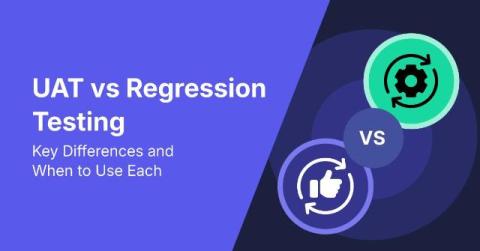
User Acceptance Testing vs Regression Testing: Key Differences and When to Use Each

Regression testing is a technical validation performed by QA teams to ensure that code changes haven't broken existing functionality. It asks the question: "Did we break anything that previously worked?" Regression tests run continuously throughout development, often automated within CI/CD pipelines, protecting the application's stability as it evolves. User Acceptance Testing (UAT), on the other hand, is a business validation performed by actual users or stakeholders. It asks.