Systems | Development | Analytics | API | Testing

Test Automation Roi: Formula, Examples & Benchmarks (2026)

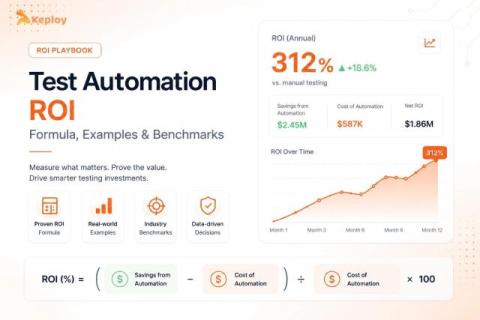
Your team automated hundreds of test cases. Leadership wants to know if it was worth it. Most engineering teams can’t give them a number. That’s what gets automation budgets cut. Proving test automation ROI means translating testing activity into financial terms: hours saved, defects prevented before they cost 5-10x more to fix in production, and release cycles shortened enough to matter on a balance sheet. The formula exists. The benchmarks exist.

Test Case Template: Components, Examples & Best Practices

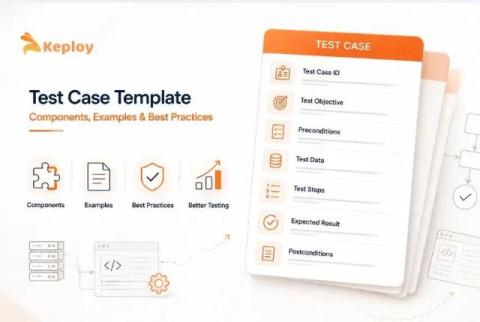
Without a test case template, test cases drift. One tester writes three-word steps. Another skips preconditions entirely and wonders six months later why nobody can reproduce the bug that shipped to production. A third writes paragraphs where steps should be. The test case template fixes this. It gives every tester on your team the same starting point: the same test case format, the same fields, the same expectations for what "documented" means. The goal isn’t bureaucracy.

Flamegraphs Find It. Replay Proves It.

I made an API endpoint 13 times faster. Then I realized my first verification only checked the status, headers, and response schema. I had not checked the totals. I had made the bug faster. That is the problem with giving an AI coding agent one kind of evidence. A CPU profile can show where the application is slow, but not whether an optimization preserves behavior. A traffic replay can prove that behavior stayed stable, but not explain why the code burns CPU.

API testing for agent-driven code: SmartBear ReadyAPI MCP for Claude, Copilot, Cursor, and compatible agents

Key takeaway: When code moves at AI speed and testing stays manual, the widening gap between a code change and its test coverage becomes your biggest quality risk. SmartBear ReadyAPI MCP reduces that gap by letting you generate, run, and heal API tests in plain language, right inside the Claude, Copilot, or Cursor session that wrote the code.

Shift Left Vs Shift Right Testing: Key Differences & Use Cases (2026)

Shift left vs shift right testing isn’t really a debate. Teams that treat it as one end up with gaps that neither approach covers alone. Shift left catches defects before they reach production. Shift right learns from what happens after they do. The teams shipping most reliably in 2026 don’t choose between them. They run both and build a feedback loop where each approach makes the other more effective.

Stop Writing Log Lines: Use eBPF to Catch PII and Credentials

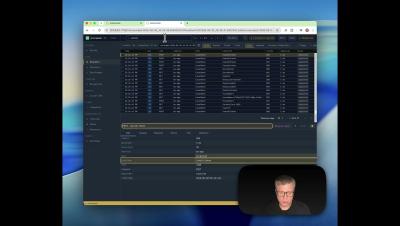
Tired of out-of-control log expenses and manual logging discipline? Discover next-generation observability with Speedscale. By using eBPF to record full-fidelity data right off the wire, you can instantly run full-text searches, track down leaking PII, and securely map out credentials across HTTP, Postgres, gRPC, and more—all without writing a single log line. Learn more: speedscale.com.

How to run your first API contract test in five minutes | SmartBear Swagger Contract Testing drift

Learn how to create, configure, and verify your first API contract test with SmartBear Swagger Contract Testing drift. Teams know contract testing prevents breaking API changes, but most stall out before they start – citing “we don't have time, we don't have the right skills, or we don't have the resources.” SmartBear Swagger Contract Testing removes that onboarding friction with drift, a capability that automates schema validation so you can adopt Interface-Driven Development (IDD), making your API specification the primary artifact of your build process in minutes.

Duplicate API Tests Are Slowing You Down. Here's How Keploy Deduplicates them

Ever wondered why your test suite keeps growing even though you're testing the same few flows over and over? 👀 In this video, we break down how Keploy automatically detects and removes duplicate tests - so your suite stays fast, lean, and actually trustworthy to review.