Systems | Development | Analytics | API | Testing

Monitoring, Audit Trails, and Compliance with ClearML

The previous posts in this series built the security model layer by layer: identity, configuration governance, service account automation, compute policies, and production model serving. This final post covers what holds all of it together: the monitoring and audit layer that records every action, every API call, and every resource event and makes the full picture visible to the people responsible for it. It accompanies our Enterprise AI Infrastructure Security YouTube series.

How to set up Billing for AI Agents with LangChain and Kong in 15 Minutes | Monetize AI Agents

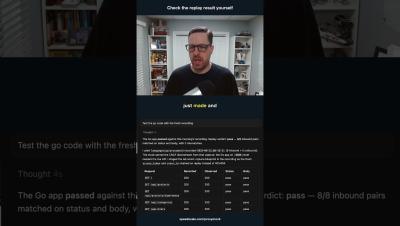
Want to bill customers for the AI tokens they actually use? This video shows you how to set up a LangChain app that meters LLM token usage and streams it to Kong Konnect Metering & Billing as CloudEvents — turning every prompt and response into invoiced usage, automatically.

Omni-channel AI: The next frontier for Data and Analytics

What marketing mastered years ago, product teams are only now beginning to understand. For decades, marketing has operated on a simple but powerful principle: don't make your customers come to you, go to them. Meet them on the channels they already use, speak in the language they already speak, and show up where they already spend their time. The result was omni-channel marketing, a discipline that transformed how brands engage with the world.

Best React Frameworks in 2026: Data from 127 Job Posts

Opinions about the "best" React framework are like linting configs: everyone has one, and everyone thinks theirs is correct. So instead of adding to the noise, we did something slightly more useful - we scraped 127 React developer job postings from Google Jobs (the max available in the past month) and pulled out every framework and library mentioned in the descriptions. No vibes. Just data. Here's what the job market actually wants from React developers in 2026.

What Is Agile ALM (Application Lifecycle Management)?

Agile ALM manages the entire application lifecycle, including requirements, development, testing, and release, using Agile principles while maintaining end‑to‑end visibility and traceability. It supports iterative delivery, continuous feedback, and changing requirements to ensure that every decision and change is connected, auditable, and aligned with business and regulatory needs. The benefits of Agile ALM include.

News Analysis 2026: How Serverless Architecture Is Transforming Performance Testing

In just a few years, serverless architecture has moved from an emerging trend to a core pillar of enterprise IT. By 2026, platforms like AWS Lambda, Azure Functions, and Google Cloud Functions are handling production workloads at scale for organizations worldwide. The draw is clear: instant scalability, no server management, and a usage-based billing model that can lower costs for unpredictable workloads.

Scale AI test automation without losing visibility | QMetry + Reflect integration

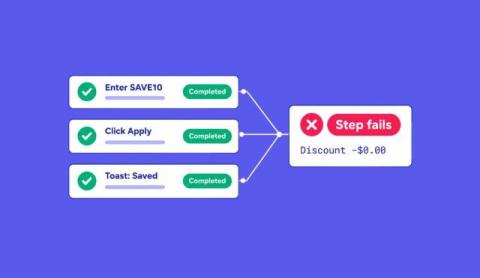
AI is changing how testing gets done. As automation grows, so does the complexity of tracking what’s been tested, what passed, and what’s ready to release. See how SmartBear Reflect and QMetry work together to scale AI-powered test automation without losing visibility or control. Reflect makes it easy to create and run automated tests using plain language, while QMetry brings structure to that speed, connecting tests, results, and reporting into a single system of record.

PostgreSQL MCP Server: Setup, Security & Best Practices for AI Agents

Last updated: May 2026 A PostgreSQL MCP server is a service that exposes PostgreSQL databases as tools an AI agent can call through the Model Context Protocol (MCP). Rather than giving an LLM direct database credentials, you put an MCP server between the agent and the database. The agent discovers what queries it can run, calls them as named tools, and the MCP server translates those calls into safe, governed SQL against PostgreSQL.

Custom Fleet Management Software Development | 2026 Market & Opportunity

Roughly 35 million commercial vehicles are operating across the world's top logistics markets today. Every one of them is burning fuel, accumulating wear, and navigating roads that are more congested, more regulated, and more expensive to operate on than ever before. The numbers behind inefficiency are staggering. According to the Department of Energy and the Argonne National Laboratory, 6 billion gallons of gasoline are wasted by idling alone every single year.