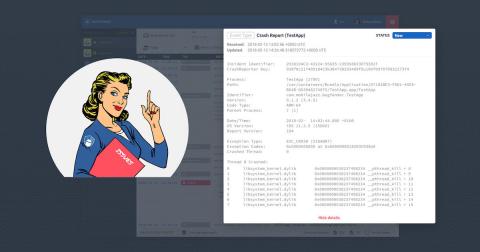
We’re really happy to announce that Bugfender 2.0 went live in last quarter – a long awaited release that brings many feature requests from our users. We’d like to take this opportunity to thank you all for your feedback. It’s truly invaluable and helps us to improve Bugfender every day. As some of you may be aware, the service experienced some occasional down time during June.
We created this resource to solve one basic problem: Once you go through all the work of building an app, how can you be sure to nail the landing? In the rush to get an app out, many developers can forget to tag releases or lose depository information that simply needed to be earmarked for a future update. There are some final security measures that need to be taken to protect your app. Whether it’s due to excitement or fatigue, it happens.
In today’s world of readily available apps, whether on your phone or a cloud service, consumers do not expect a lot of training before starting to use them. Apps are designed to be intuitive and lead you through them in the way that you would expect them to work – as it relates to the purpose of the app. Same is true with analytical applications. The best ones are intuitive – they look familiar and are intuitive to navigate.
Did you ever have a memory leak in your PHP program and couldn't locate the exact source in your code? From my experience with memory profiling in PHP, this is caused by the PHP engine and how it manages memory. PHP uses a custom memory manager on top of the native memory management in C for multiple reasons...
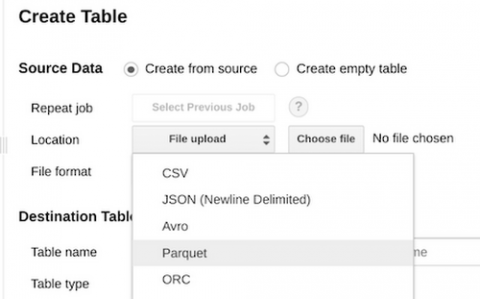
This is the first installment in a monthly review of recently-released BigQuery features. While our rather active release notes do contain concise but actionable information, we’ve heard from some of our users that they’d love a little more information on these updates and what they mean in a bigger picture. This month, we present a number of practical new features, primarily focused on data types and data file formats.